Song Meaning
This lament paints a stark picture of abandonment, opening with a lover departing "with a smile on his face." The immediate aftermath is a sense of irreversible loss, a void that "can't replace what has gone." The narrator apologizes for her grief, her "wailing tears," but the core of her despair is a crushing financial and emotional destitution: "broke, broke, broke, broken."
The second verse introduces a chilling shift, revealing the lover left "with a gun in his hand." This detail transforms the departure from a simple abandonment into something more dangerous, perhaps violent or criminal. The consequence is amplified: he "can't go back bring me back from the ground," suggesting his actions have made any return impossible and left the narrator in a state of utter ruin, possibly even hinting at death or a complete social downfall.
The lyrics masterfully employ repetition to underscore the narrator's trapped state. The phrase "broke, broke, broke, broken" hammers home the totality of her ruin, both material and spiritual. The unchanging "seasons pass but the days are still the same" and the desolate observation that "no one comes to this town" emphasize the isolation and stagnation that follow the lover's departure. The return to the initial imagery of the smiling departure in the final verse creates a haunting dissonance, contrasting the outward appearance of his exit with the devastating reality it unleashed.
What makes this lament so potent is its raw depiction of being left utterly destitute by a lover whose departure is both casual and potentially sinister. The simple, almost childlike repetition of "broke, broke, broke, broken" combined with the stark images of a town devoid of life and connection creates a powerful emotional resonance. The narrator isn't just sad; she's fundamentally broken, left with nothing but her tears and the ghost of a smile that preceded her ruin.
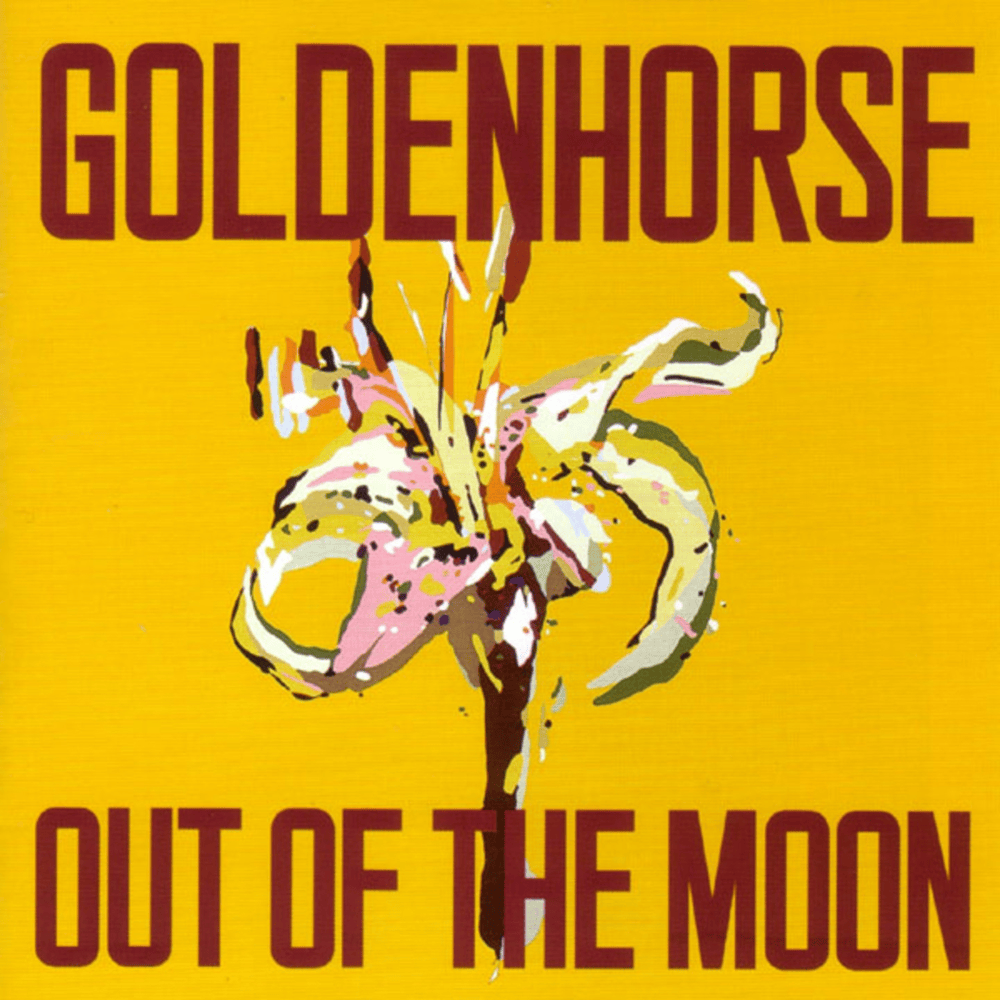
 View Artist