Song Meaning
The lyrics immediately plunge into a state of profound disorientation. The narrator admits to a history of "chasing love in every season," repeatedly losing their "compass" and "way." Now, with a beloved "in someone else's hand," this confusion escalates into a full-blown mental break, declaring "I lost my mind." It's a raw confession of being utterly unmoored by love.
This isn't just another fleeting infatuation; the speaker insists, "This time I truly loved." This past pattern of casual pursuit, "dreaming of honey in every flower," sharply contrasts with the current, all-consuming heartbreak. The previous "lost my way" now feels different, deeper, suggesting a profound regret that this particular love has slipped away, leaving a unique kind of devastation.
The emotional intensity peaks with a vivid, almost self-destructive hope: "I thought you returned / I embraced your flame." This quickly gives way to a frustrated outburst, "Oh, enough, I have no patience left," and a resentment towards others. The core of the obsession then emerges in the repeated refrain, "You are life, life," emphasizing the beloved's overwhelming significance. This declaration is immediately followed by the personification of a "crazy heart" that "doesn't know how to be satisfied" and "never calms down," highlighting an uncontrollable, almost maddening, longing.
These lyrics hit hard because they capture the chaotic, unmanageable nature of a love that transcends reason. The progression from scattered past loves to a singular, all-consuming obsession feels viscerally real. By personifying the "crazy heart," the narrator externalizes their own relentless desire, making the emotional impact immediate and relatable for anyone who's felt love push them to the brink of their sanity.
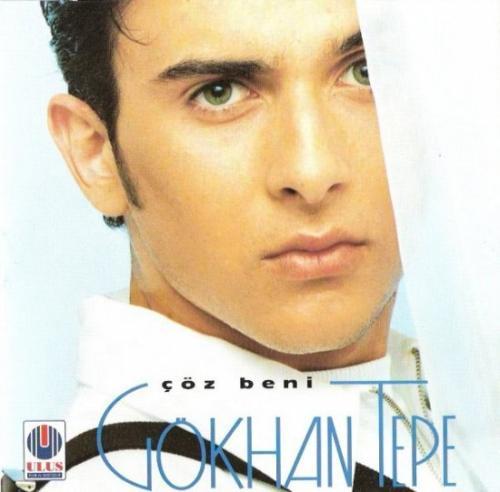
 View Artist