Song Meaning
The lyrics paint a stark, almost apocalyptic picture of humanity's destructive nature, framed as a brutal, inevitable progression. It begins with a visceral image of consuming "all the bodies," suggesting a cycle of violence and death where progress means crushing those who lag behind. The "wolves are now your lords" implies a surrender to primal, savage instincts, a loss of control and a descent into barbarism. This initial descent is rapid and unforgiving, setting a tone of grim inevitability.
The second stage escalates this destruction from the literal to the environmental, detailing the consumption of "all the creation." The narrator is instructed to "swallow the trees, the lakes, and all the valleys," and even "crush the moon, and drink the river flowing." This imagery is vast and terrifying, depicting a complete annihilation of the natural world, leaving nothing untouched. The repetition of "Burning all that lives" hammers home the totality of this devastation, emphasizing a complete erasure of life.
The lyrics then shift to the ideological underpinnings of this destruction, suggesting that humanity is taught "how to conquer and rule the world." The "towers that you built so strong" represent human ambition and perceived permanence, yet they are juxtaposed with the instruction to "raise the fears / And let them grow inside of your heart." This points to an internal, psychological foundation for external destruction, where manufactured anxieties are cultivated and become the driving force, needing "no walls" because they are deeply ingrained.
The final verses introduce a moment of potential introspection, questioning if there's a chance to "face the void inside." However, this is immediately countered by the "winds of doom" that "blow your pride away," and the "bright lights coming down on time" before "altars black, made from your sacrifice." This suggests that any reckoning is too late, overshadowed by the consequences of taking "for granted what's been there for ages." The "new blood gets ready to fight" within the "womb" hints at a cyclical, perhaps even regenerative, aspect, but the overwhelming finality of "Wolf down the one that made us all / No hope, you wolf down the earth" leaves little room for optimism, framing the ultimate act of self-destruction as a complete and utter consumption of existence.
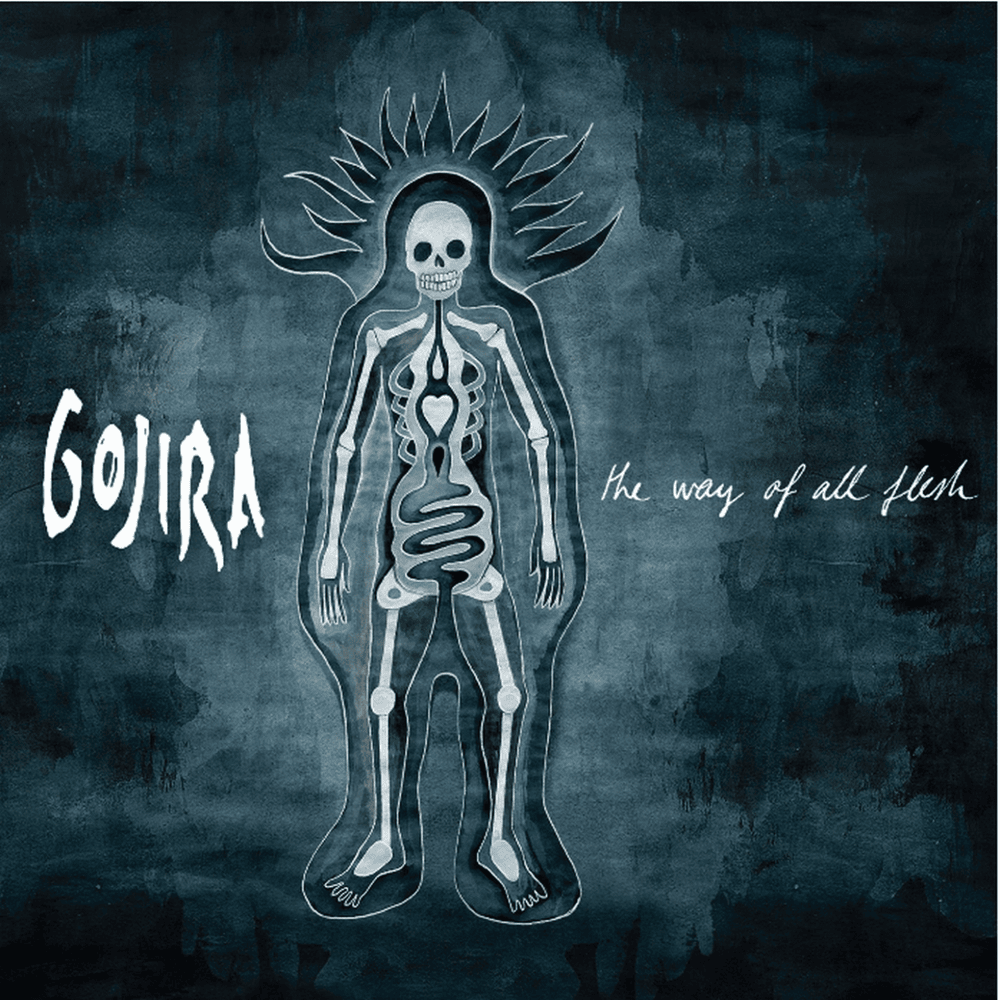
 View Artist