Song Meaning
The lyrics paint a stark picture of a life beginning and ending under immense pressure, framed by a profound sense of isolation. From the opening lines, "Are we left all alone?" and a mother who "cares for me" but has "no time," the narrator is immediately cast into a world where support is distant and the individual must face overwhelming circumstances. The image of crying "all the tears" and joining a "river flow" establishes a powerful, almost elemental, connection between personal sorrow and the vastness of existence, suggesting a life defined by its emotional outpouring and eventual dissolution into something larger.
The central tension lies in the struggle for survival against daunting odds, articulated from the very first moments of consciousness. At "three days old," the narrator is already being told to "be a man," a demand that clashes with the fear and unpreparedness for the "wind blows" and "waves so big." This internal conflict between the imposed expectation of strength and the raw, visceral fear of the unknown creates a palpable sense of vulnerability. The desire "not to destroy / The only chance I have to survive" highlights the precariousness of this early existence, where every breath feels like a battle against an indifferent, powerful environment.
The lyrics masterfully employ contrasting imagery to underscore this struggle. The notion of entering a "storm" and feeling an "electric sword" suggests a violent, almost mythic confrontation with fate, where the "entire life is about to burn." Yet, amidst this cataclysm, the narrator clings to a "dream of a better time." This juxtaposition of immediate, destructive reality with a persistent, hopeful vision is a key element of the song's emotional weight. The "secret knowledge" received, described as "precious," offers a glimmer of solace, a treasured wisdom that helps in forgetting past hurts and facing the present fight.
Ultimately, the effectiveness of these lyrics stems from their unflinching portrayal of life's inherent difficulties and the individual's response to them. The repeated motif of tears and the river flow, coupled with the final acceptance of facing "the truth of living," creates a cyclical narrative of profound emotional experience. The narrator's decision to "put my scars away and love" and to leave the "boat behind" signifies a powerful act of surrender and acceptance, moving beyond the struggle to a state of peace, even in death. It's this raw honesty about pain, resilience, and the eventual embrace of fate that makes the song resonate so deeply.
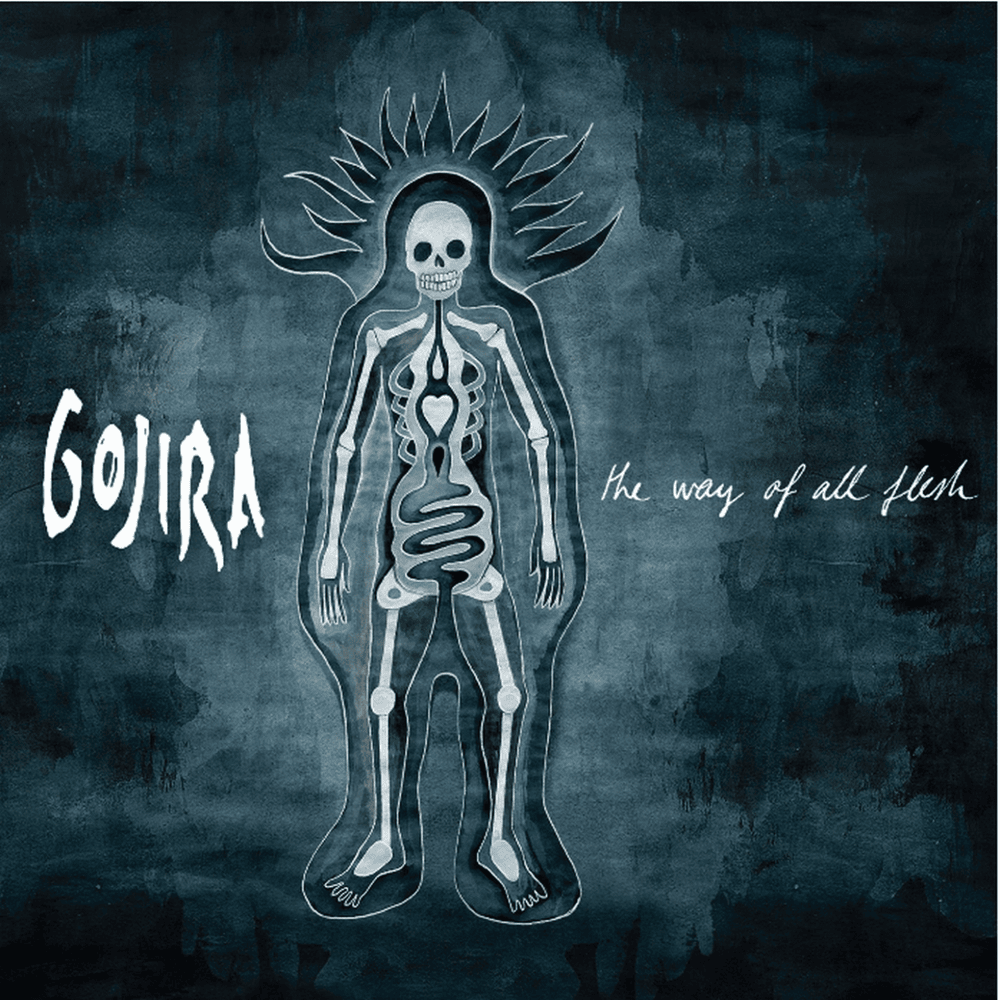
 View Artist