Song Meaning
The lyrics paint a picture of a dreamlike state, tinged with a sense of finality and a peculiar kind of longing. The repeated phrase "Call it romance" acts as a refrain, but it's juxtaposed with images of endings – "my last dance" and "the relance" – suggesting a complex, perhaps even melancholic, interpretation of what romance means to the narrator. This isn't a straightforward declaration of love; it's more of an acknowledgment of a feeling that's both alluring and tinged with an inevitable conclusion.
The core tension seems to lie in the narrator's desire for a different existence, a wish to be something fixed or powerful rather than subject to emotional turmoil. The repeated "I wish I was..." sections present a series of archetypes: a figurehead enduring storms, a sorceress with destructive power, a statuette facing a fatal plunge, and a witness to something profound. Each of these desires, while varied, points to an escape from the vulnerability implied by "the relance of" and the overwhelming "cry" that drowns out waves.
The most striking craft element is the recurring, almost obsessive, use of "the relance." This word, likely a portmanteau or a unique coinage, evokes a sense of return, perhaps to a past state or a recurring pattern of emotional experience. It's this "relance" that the narrator wishes to escape by transforming into something else, something less susceptible to the emotional ebb and flow that "romance" seems to represent here. The imagery shifts from the epic (ancient ship, sorceress) to the mundane and even bleak (rusty spring, man's pipe smouldering), all under the umbrella of "romance."
Ultimately, the effectiveness of these lyrics stems from their ability to evoke a specific, almost surreal, emotional landscape. The narrator isn't just sad; they're actively grappling with a concept of romance that feels both deeply personal and strangely detached, filtered through a series of imagined identities and potent, often dark, imagery. The ambiguity of "the relance" and the repeated, almost defiant, "Call it romance" leaves the listener with a lingering sense of unresolved feeling, a testament to the power of carefully chosen, evocative language.
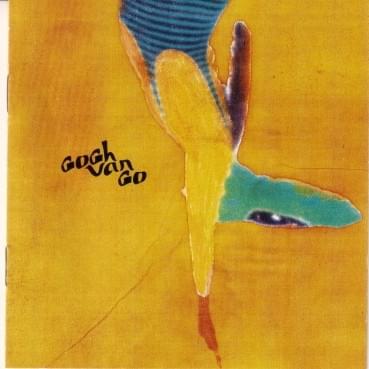
 View Artist