Song Meaning
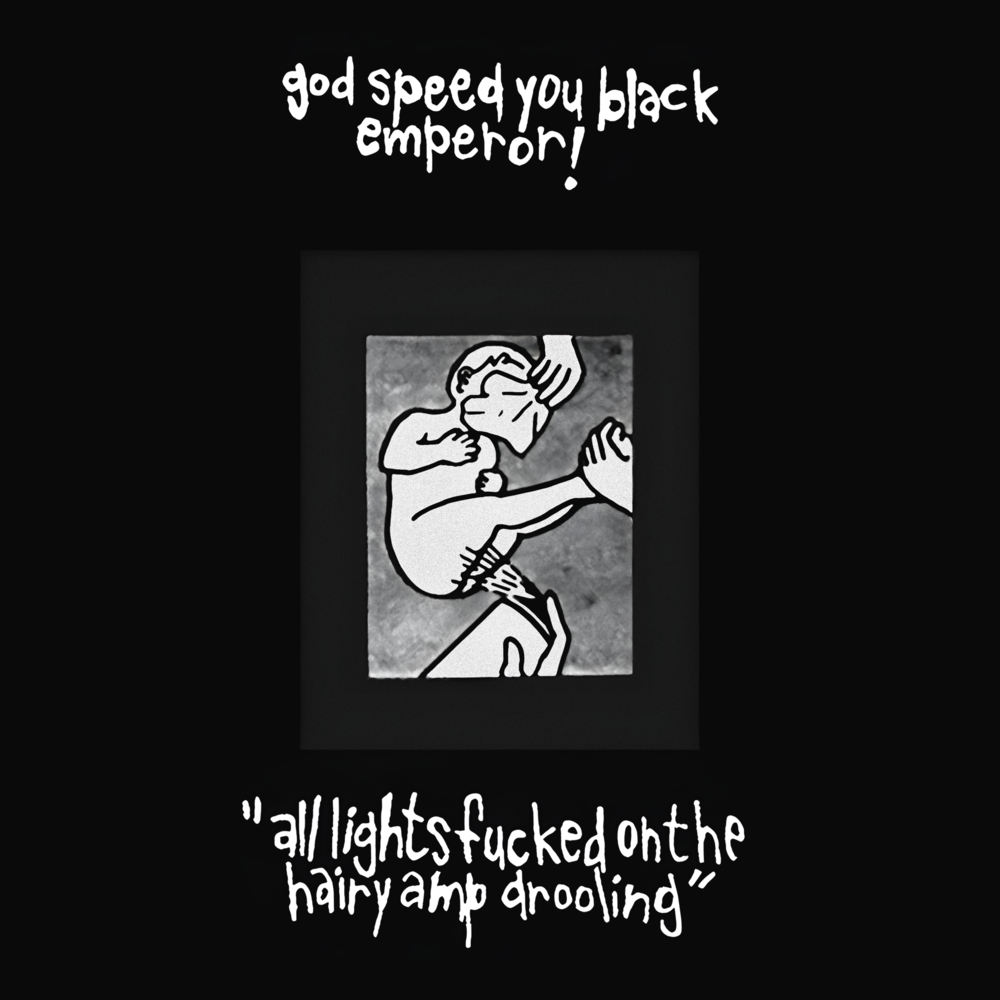
The lyrics paint a stark, almost surreal picture of a town and its peculiar mayor. The opening lines establish a bizarre, almost transactional relationship: the narrator projects films of mountains for the mayor, who then engages in a violent act of self-gratification. This unsettling scene is presented with a chilling detachment, highlighting the narrator's passive complicity.
The dominant emotional tension seems to stem from this quiet acceptance of the grotesque. The narrator admits, "I did not complain," citing good pay and dreamless sleep as justification. This suggests a profound emptiness or a deliberate suppression of feeling, where even the mayor's disturbing behavior is just part of a routine that allows for a comfortable, albeit hollow, existence.
The craft here is in the juxtaposition of the mundane and the shocking. The image of projecting "films of mountains" feels serene, yet it directly precedes the mayor's disturbing act. The abrupt shift from this to the mayor's self-harm, followed by the narrator's non-reaction, creates a disorienting effect. The final stanza offers a strange, almost biblical sense of closure with the mayor's death, marked by "rain" and the contrasting reactions of "mothers cried, the daughters waved."
This piece resonates because of its unsettling ambiguity and the quiet horror it evokes. The narrator's lack of response to the mayor's actions, and the town's muted grief, suggest a collective numbness or a deep-seated societal malaise. The lyrics leave the reader with a sense of unease, questioning the nature of complicity and the quiet ways people can disconnect from disturbing realities.
 View Artist