Song Meaning
The lyrics paint a grim picture of a world in decay, forcing a stark confrontation with harsh realities. The opening lines immediately thrust the listener into a disorienting state, suggesting a lack of belonging and an imposed, brutal education. There's a palpable sense of dread as the narrator observes others succumbing to their flaws, a process that mirrors the world's own demise. The instruction to "Take what you can" hints at a desperate survival instinct amidst overwhelming destruction.
The central tension arises from the narrator's precarious position, "Standing where I should not be." This phrase, repeated with haunting insistence, suggests a transgression or an unwelcome awareness of a horrifying truth. The contrast between a "mind was free" and the current state of seeing "all the horror" creates a profound sense of lost innocence and inescapable dread. It’s a place of forced witnessing, where freedom of thought is overshadowed by the visual onslaught of collapse.
The imagery of decay is visceral and unsettling. The transformation of people into sand and the grotesque act of scratching flesh from one's own face are powerful metaphors for disintegration and self-destruction. The line "Your head, gone without a trace" amplifies this sense of complete annihilation, suggesting a loss of identity and reason. These disturbing visuals serve to underscore the narrator's discomfort and the overwhelming nature of the observed collapse.
Ultimately, the effectiveness of these lyrics lies in their unflinching portrayal of a world stripped bare of comfort and illusion. The repetition of the narrator's uncomfortable stance, coupled with the stark, almost clinical descriptions of ruin, creates a chilling atmosphere. It’s a raw depiction of witnessing the end, not with grand pronouncements, but with a quiet, horrified observation of inevitable decline.
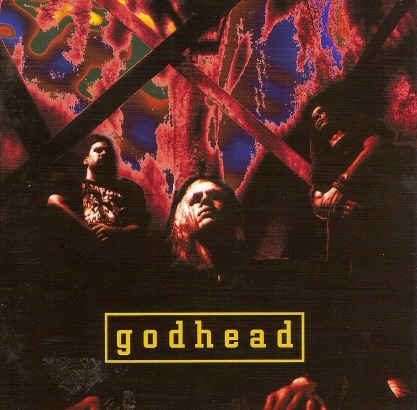
 View Artist