Song Meaning
The lyrics paint a stark picture of a bleak existence, contrasting the natural world with a harsh, oppressive reality. We open with imagery of a flower, pollen, and grass, a gentle scene where something with "eight velvet legs" struggles, finds, and enjoys life. This natural cycle is juxtaposed with a jaded voice, "that guy Mark," who offers a grim sort of comfort: "The journey is hard, but I have orange juice." He advises to drink but "stay in your world," a world where one does unpleasant things and cries out for help. The narrator then seems to embrace this escape, hitching a ride with Mark.
Mark, described as "bagarozzo" (a derogatory term, often for a cockroach or a scoundrel), is presented as a swift, winged savior with "eight black legs." He navigates a world where the "traffic isn't there" and the "light is green," suggesting an effortless escape from mundane obstacles. These black legs, paradoxically, become a symbol of the peace the narrator desires in "your world." This world is characterized by windowless houses, lonely men fighting, loving, shouting, and dying, where sex is "just a trend" and violence reigns supreme.
The core tension arises from the desire to escape a brutal, dehumanizing reality, personified by the "Land of Goblin" and its pervasive "violence." Mark, the "bagarozzo," offers a means of flight, a rapid departure from this oppressive environment. The repetition of "violence, violence, and still violence" hammers home the inescapable nature of this suffering, emphasizing that "In the Land of Goblin there is no pity." The lyrics suggest that even a creature like Mark, a scoundrel with dark legs, can represent a form of salvation or peace when contrasted with such profound despair.
What makes these lyrics resonate is the visceral portrayal of a world devoid of hope, where even a derogatory term like "bagarozzo" is repurposed to signify a desperate form of freedom. The stark imagery of windowless homes and men reduced to animalistic struggles creates a powerful sense of alienation. Mark's swift, almost insect-like flight becomes a potent metaphor for escaping a reality that is explicitly defined by its overwhelming violence and lack of compassion.
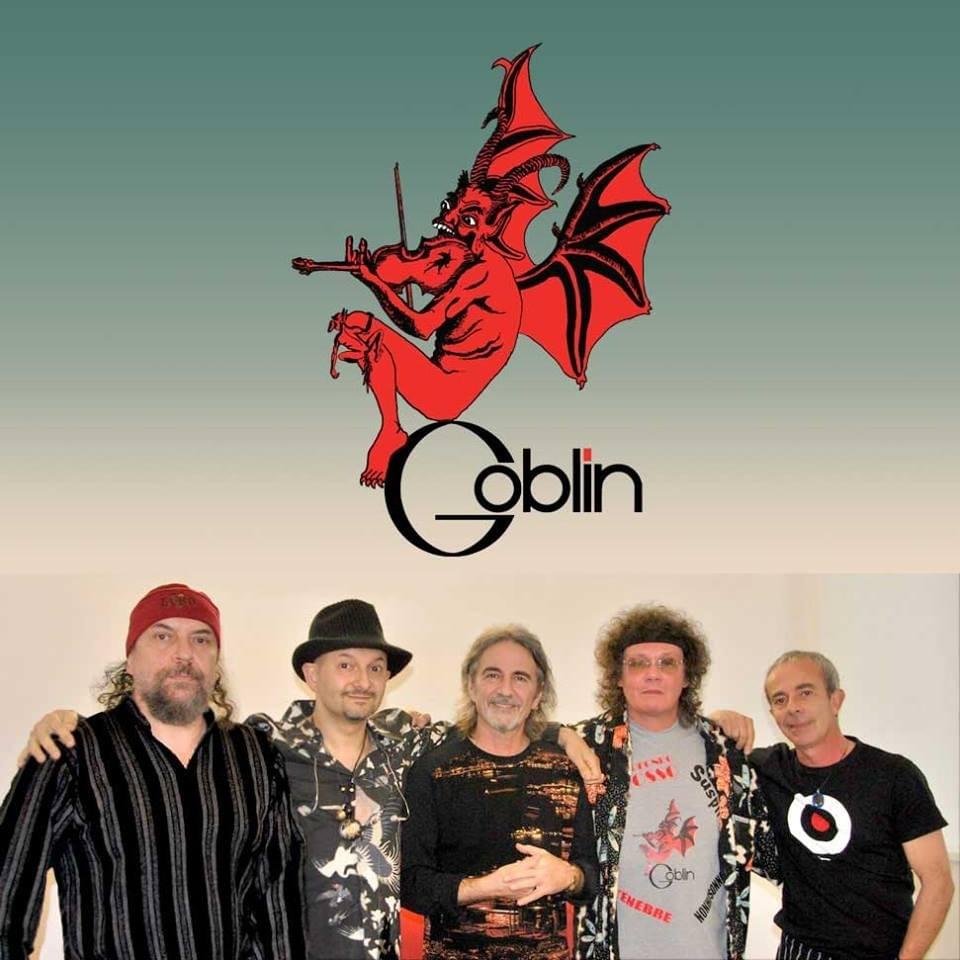
 View Artist