Song Meaning
The lyrics paint a picture of a bizarre, almost surreal arrival, with the repeated phrase "Llegan los payasos, so subnormal" setting a tone of derision and unease. It immediately establishes a confrontational stance, labeling an incoming group as "clowns" and "subnormal." This isn't just playful mockery; it feels like a dismissal of something perceived as fake or ridiculous. The core assertion, "Los gilipollas no son de verdad," suggests a deep distrust of appearances and a belief that certain people or behaviors are inherently inauthentic.
The central tension emerges in the post-chorus, where the narrator claims to have found "them" at FNAC, a retail store, and subsequently signed a contract, declaring, "Soy gilipollas de verdad." This is a striking turn, moving from critiquing others to embracing the label of "gilipollas" (an insult roughly translating to idiot or asshole) themselves. It suggests a potential disillusionment with the perceived fakeness of the world, leading to an embrace of a more genuine, albeit self-deprecating, identity. The contrast between the external "payasos" and the narrator's self-proclaimed "verdad" is stark.
The most potent lyrical device is the stark repetition of "Y no le gusta a nadie" (And nobody likes it/him/her). This phrase, appearing in the bridge and outro, casts a shadow over the entire narrative. It implies that this embrace of genuine, perhaps abrasive, selfhood, or the very act of calling out the "payasos," leads to social isolation. The narrator's declaration of being a "real gilipollas" might be a defiant act against inauthenticity, but the lyrics strongly suggest this authenticity comes at the cost of universal appeal.
This track hits hard because it taps into a feeling of being surrounded by phoniness and the temptation to either join it or reject it entirely. The narrator's choice to embrace the insult, rather than succumb to the fake "payasos," is a powerful, albeit lonely, statement. The stark, almost nihilistic repetition of "nobody likes it" underscores the difficult trade-off between genuine self-expression and social acceptance, making the narrator's defiant stance feel both brave and deeply melancholic.
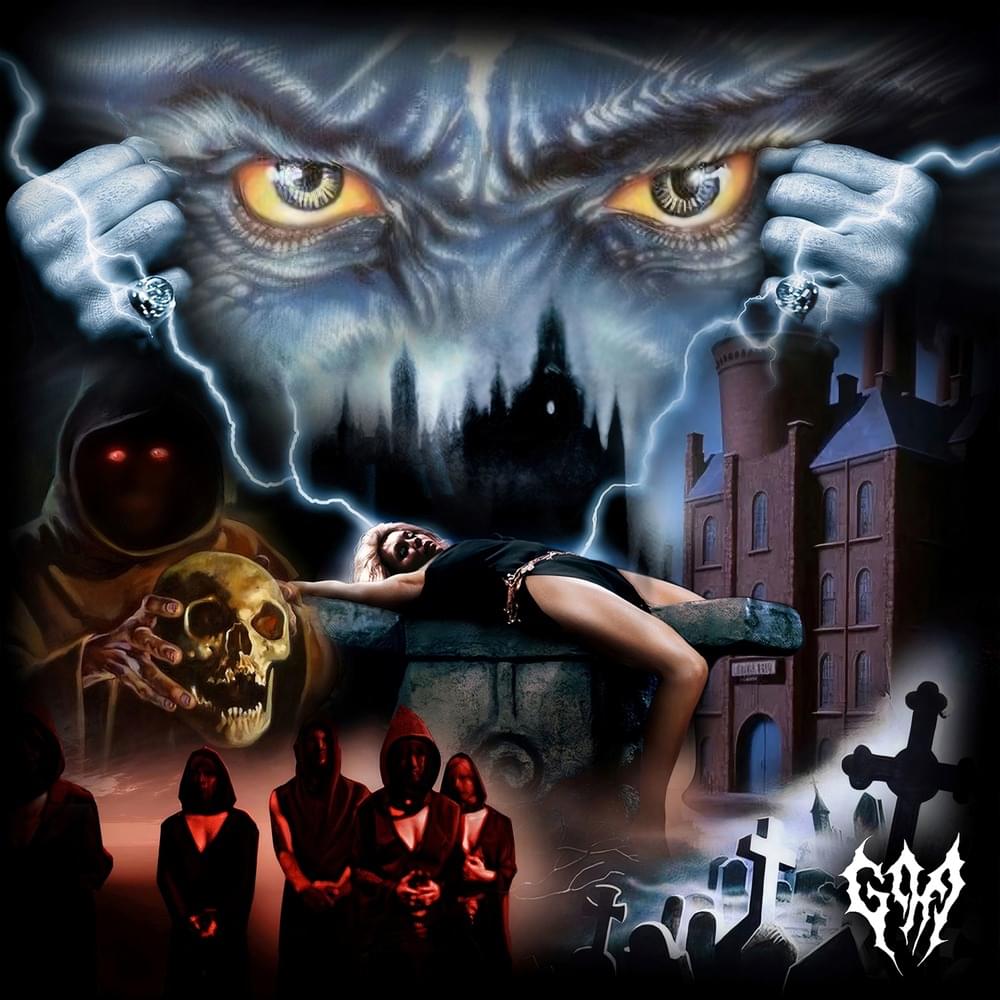
 View Artist