Song Meaning
The lyrics grapple with the lingering presence of a past relationship, even as the narrator questions what remains of themselves and the connection. There's a sense of fading memory, with the narrator asking "Di me, di me che resta?" (What remains of me?), immediately followed by a tentative "Se vuoi, se vuoi, cambiam..." (If you want, if you want, let's change...). This suggests a desire for transformation or perhaps a plea for the other person to initiate it, highlighting a core tension between wanting to move on and the difficulty of doing so.
The central conflict appears to be the persistence of doubt, encapsulated by the repeated phrase "Anche se il dubbio resta" (Even if the doubt remains). Despite a desire to forget, both the past and the self ("Dimenticando tutto, dimenticando me"), the doubt is an inescapable residue. The narrator seeks a tangible sign of the relationship's impact, "Un segno, un segno, lascia" (Leave a sign, a sign), but finds only a faint sensory trace: "Solo l'odore, basta" (Just the smell is enough). This implies that even a minimal, almost ephemeral trace is preferable to complete erasure, yet it's not enough to quell the underlying uncertainty.
The most striking aspect of the craft is the juxtaposition of forgetting and the need for a sign, alongside the overwhelming simplicity of sensory memory. The repetition of "Resta, resta, resta" (Remains, remains, remains) at the end powerfully underscores the inescapable nature of what is left behind, whether it's the doubt, the scent, or the memory itself. This insistence on what remains, despite the desire to forget, creates a poignant sense of unresolved emotional residue.
Ultimately, these lyrics resonate because they capture the quiet, persistent ache of a relationship that has ended but hasn't fully disappeared. The focus on a single sensory detail – the smell – and the recurring doubt makes the emotional landscape feel both specific and universally understood. It's the subtle, almost imperceptible traces that often hold the most power, proving that even when much is forgotten, something essential can stubbornly remain.
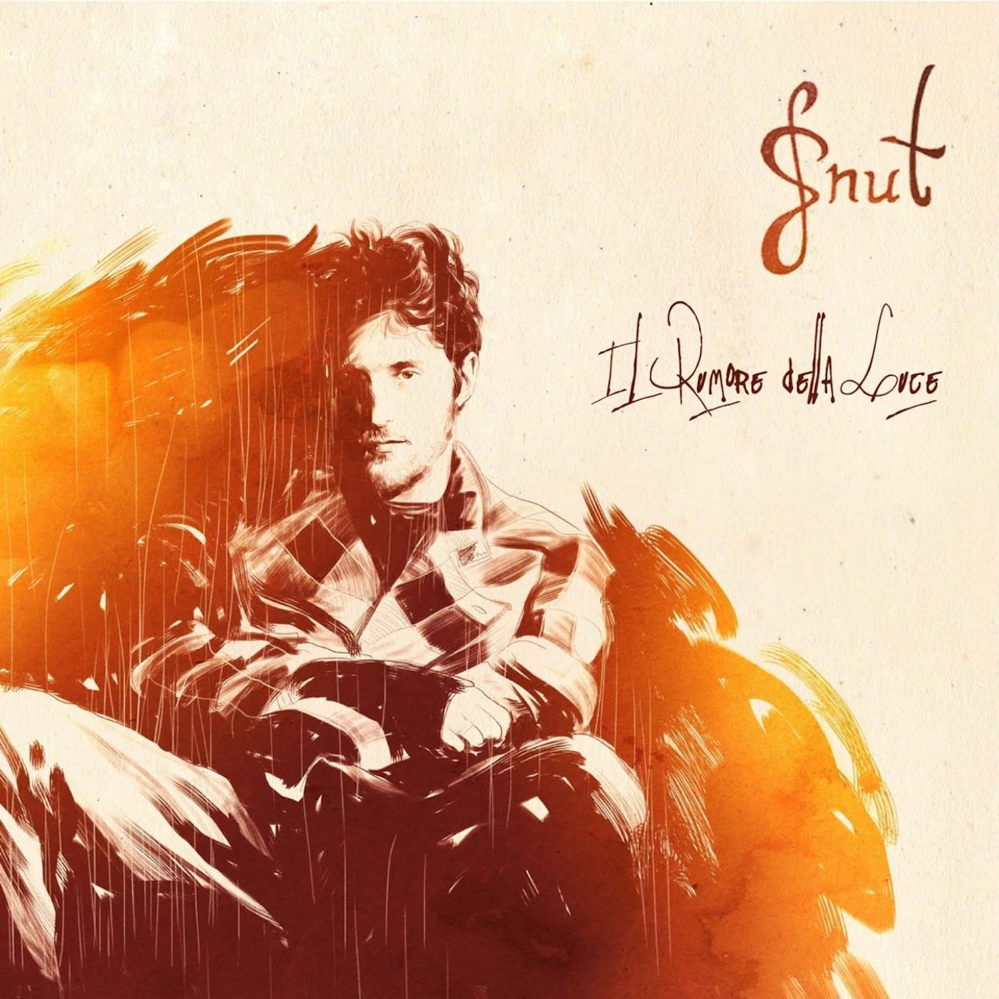
 View Artist