Song Meaning
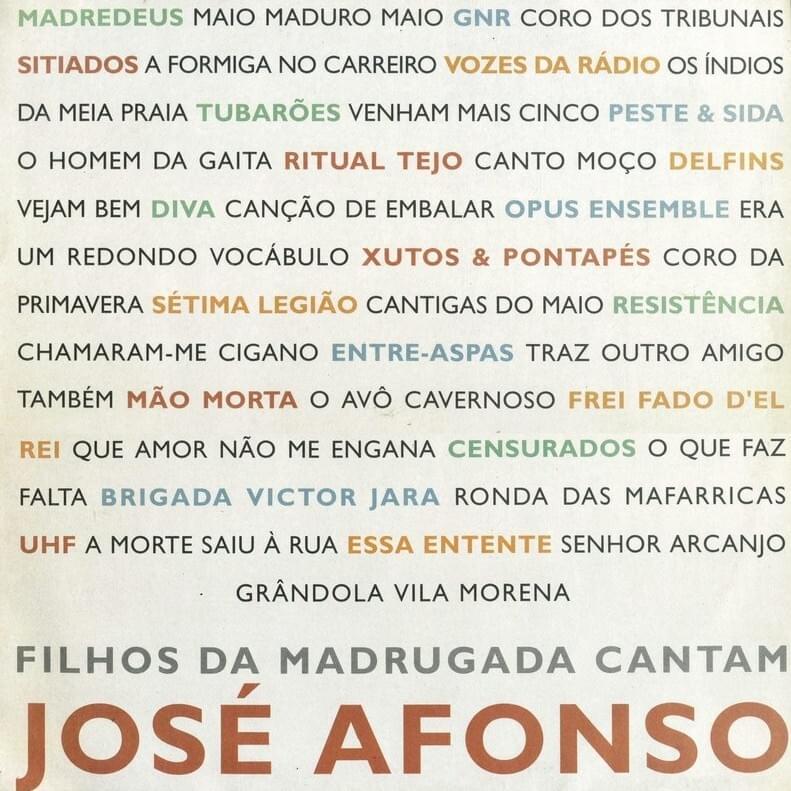
The lyrics paint a grim picture of a corrupt justice system, where the arrival of "tribunais" (courts) signals a shift from one form of predation to another. It suggests a world where the "good and bad thief" are gathered not for justice, but to vote on a "caixão" (coffin), implying a predetermined, fatal outcome for someone. The repeated line, "Quando o inocente se abateu / Inda o morto não morreu" (When the innocent fell / The dead man hadn't yet died), creates a disorienting sense of premature judgment and a reality where innocence is already condemned before any actual demise.
The central tension lies in the perversion of justice, where the "decisão do tribunal" (court's decision) is likened to the "sombra do punhal" (shadow of the dagger), a threat that leads to the killing of the "justo que ali jaz" (the just one lying there). The chilling indifference of the judges is highlighted by "Para quem julga tanto faz" (For those who judge, it doesn't matter). The lyrics then propose a radical, cynical solution: "Já que o punhal não mata bem / A lei matemos também" (Since the dagger doesn't kill well / Let's kill the law too), suggesting that if the law itself is ineffective or corrupt, it deserves to be discarded or destroyed.
The imagery of predatory animals and a desolate landscape underscores the brutal nature of this system. The "clarim" (bugle) and "tambor" (drum) announce a grim feast, where "águilas" (eagles) come to "almoçar" (lunch) when the "deserto nada tem a dar" (desert has nothing to give). The court "dá de comer" (gives food), but this sustenance is for "assassinos" (assassins), implying that the system feeds and rewards those who perpetrate violence and crime. The final stanza reinforces this by stating that the "recompensa ao punho que matou" (reward to the fist that killed) and "fortuna a quem roubou" (fortune to him who stole) are protected "a lei" (by the law), revealing the ultimate corruption where the law itself safeguards illicit gains.
 View Artist