Song Meaning
This interlude directly addresses "gay" individuals, specifically those who recognized their identity early on, facing childhood taunts and adult judgment. The lyrics paint a picture of early awareness, symbolized by playing with Barbies and enduring the sting of being called "too gay." It highlights the painful realization of societal prejudice, leading to a spiritual struggle: "Why did you make me gay?" The narrator acknowledges the desire to "be someone," a common yearning amplified by marginalization.
The core tension lies between the historical pain of being gay and the burgeoning sense of empowerment. The lyrics shift from recounting past hurts – the feeling of being treated poorly and questioning divine will – to a powerful affirmation. Phrases like "what doesn't kill strengthens a gay" and "feel how much it empowers you to have been born gay" mark this crucial pivot towards self-acceptance and pride.
The most striking aspect is the direct, almost confrontational address, "gay," repeated throughout as a term of reclamation. The narrator uses this repetition not just to identify, but to build solidarity and strength. The imagery of seeing oneself reflected in another's eyes, culminating in the declaration "I am also gay," creates a profound sense of shared experience and mutual recognition. This personal revelation then expands into a call to action.
Ultimately, these lyrics resonate because they transform a narrative of suffering into one of resilience and collective power. The shift from past trauma to present empowerment, anchored by the repeated, defiant use of "gay," offers a potent message of self-love and ongoing struggle. The closing lines, "And that if I am here today giving voice to gay people it is because I am / Gay," solidify the narrator's identity as the source of their advocacy, making the personal political and deeply affirming.
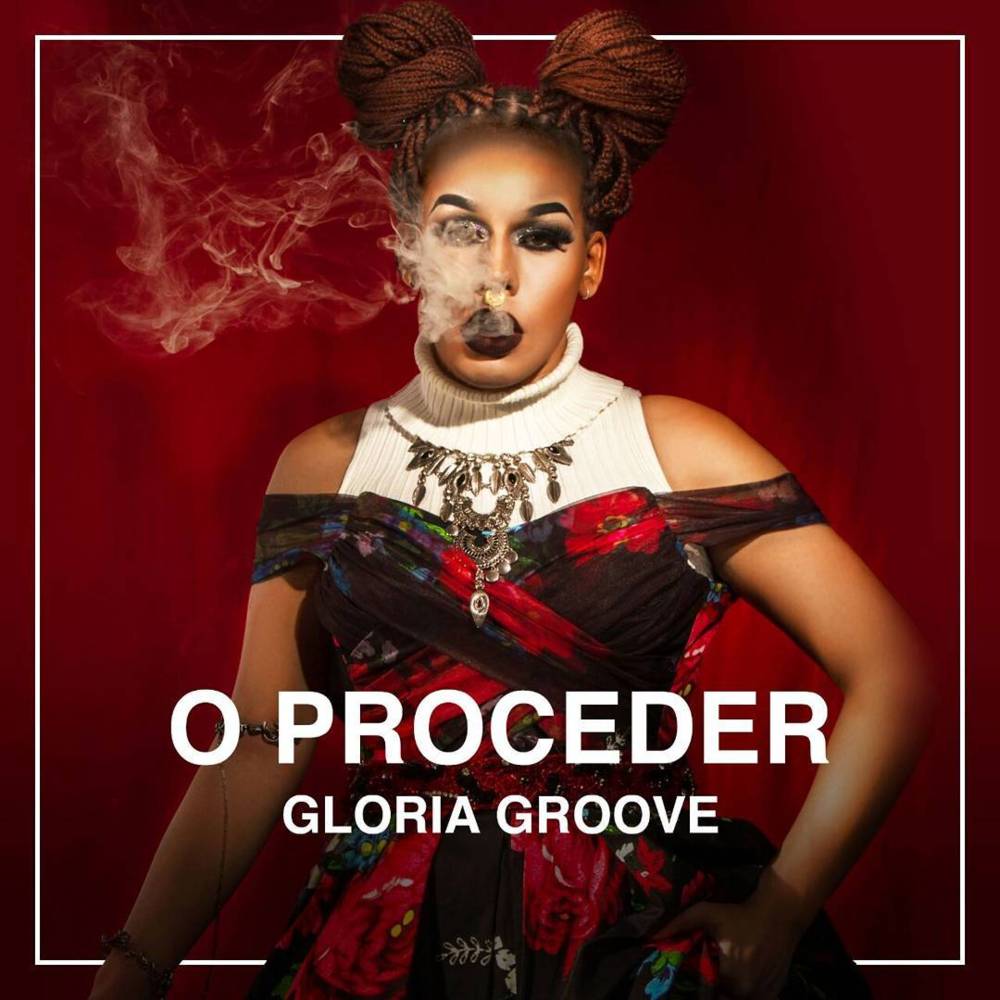
 View Artist