Song Meaning
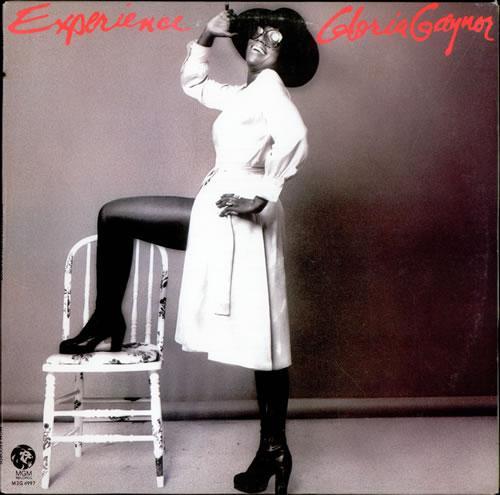
Gloria Gaynor's "I'm Still Yours" isn't just another dancefloor anthem of resilience; it's a raw, vulnerable exploration of lingering attachment. While Gaynor is known for empowering declarations of independence, this track flips the script, revealing the sticky residue of a past relationship that refuses to fade. The lyrics expose a woman caught in the undertow of a love that's ended in practice, but not in feeling. She's been "a lot of places" and met "a lot of guys," yet none can dislodge the phantom presence of a former lover. It's a confession of emotional stagnation, a counterpoint to the triumphant narrative that often defines her discography. The song meaning hinges on this central conflict: the head knows the relationship is over, but the heart remains stubbornly, almost masochistically, tethered.
This isn't just about missing someone; it's about a perceived inability to move on. The lyrics delve into the psychological weight of this impasse. She admits, "I can't seem to tell my heart / I can't make it understand." It's a portrait of internal division, where logic and emotion are locked in a perpetual tug-of-war. The repeated refrain, "And I'm still yours," functions as both a lament and a stubborn declaration. It's as if she's speaking a truth she wishes she could deny, a prisoner of her own affections. The power balladry of the song underscores the intensity of this internal battle.
The song's most striking lines compare her to "a slave / Whose master / Cause he no longer reigns." This stark imagery speaks to the insidious nature of emotional dependency. Even though the relationship is over, the former partner's influence continues to exert control. The "chain" that walks her heart and mind suggests a loss of autonomy, a surrender to the past. The final plea-"If you can't leave my heart alone...Then please come back"-is a desperate gamble, a willingness to sacrifice freedom for the comfort of familiar chains. Ultimately, "I'm Still Yours" presents a complex and unsettling portrait of love's enduring power, even in its absence.
 View Artist