Song Meaning
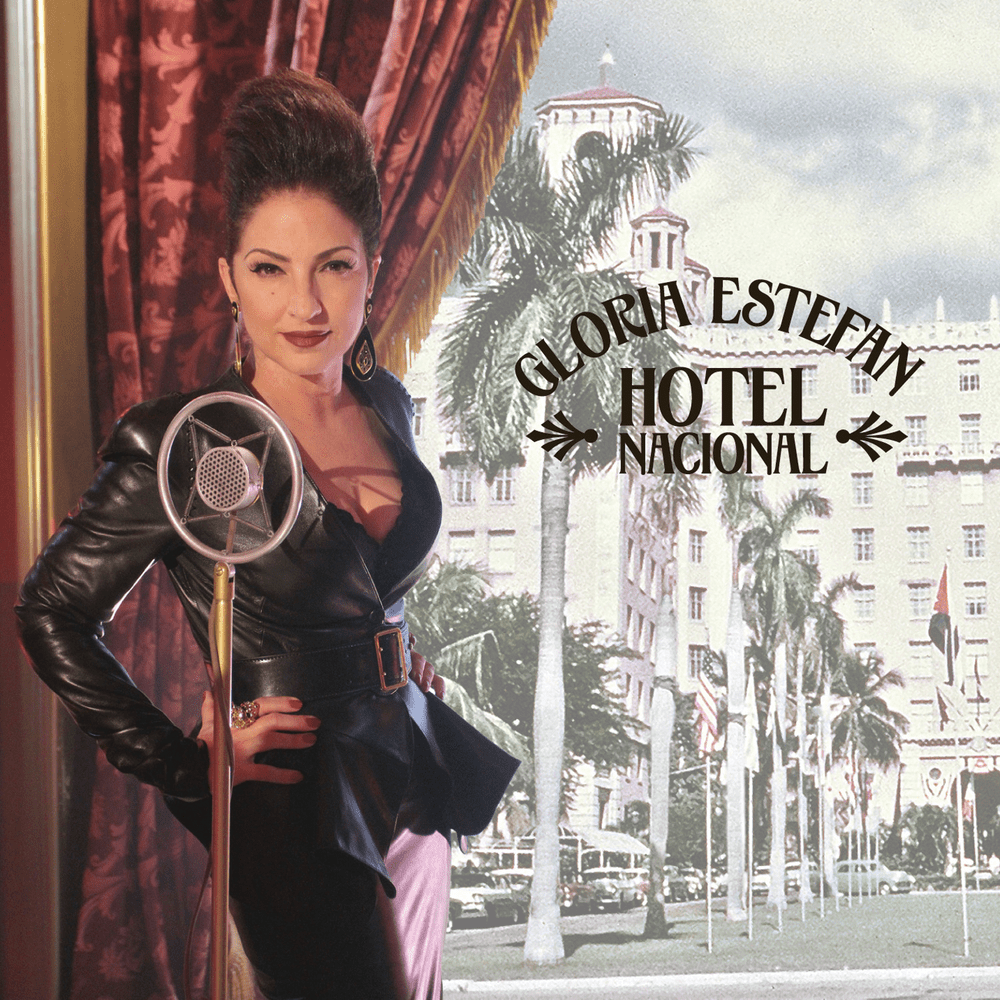
Gloria Estefan's "Hotel Nacional (feat. Banda El Recodo)" isn't just a song; it's a meticulously crafted fantasy of escape, romance, and unapologetic glamour. The lyrics paint a vibrant picture of a world where the night reigns supreme, and the only currency that matters is confidence and style. It's a world of 'two-toned shoes' and 'red and white coupe Chevrolets,' where the superficial trappings of wealth are less important than the inner self-assurance that allows one to 'need no diamonds to impress.' This isn't mere hedonism; it's a carefully constructed persona, a defense mechanism against the harsh realities of daylight. The repeated phrase "Say goodbye to the sunlight / We own the nighttime" becomes an anthem for those who find solace and strength in the shadows. It's a reclamation of power, a declaration that the night is not something to be feared, but a space to be conquered. "Hotel Nacional" is a psychological haven, a stage for a meticulously curated performance. The references to Susan Lucci and Kristi Yamaguchi aren't random; they represent different facets of the persona being constructed – drama, ambition, and a relentless pursuit of perfection. It's a world where 'Hoochie Coochie' isn't just a dance, but a state of mind. The song’s meaning dives into escapism as a coping mechanism.
The international flair – from the Cuban beat to Parisian declarations of love – adds another layer to the song's escapist fantasy. It's not just about escaping reality, but about transcending geographical boundaries and cultural limitations. The 'champagne, caviar' lifestyle is less about material possessions and more about the freedom to indulge in the finer things in life, without the constraints of 'wedding mess' or societal expectations. The reference to Bertolucci's "Last Tango" hints at a deeper exploration of desire and intimacy, suggesting that this carefully constructed world is also a space for genuine connection and vulnerability. However, the key line, "Official love affair", may imply that love and relationships are constructed, and not necessarily authentic or deep. This contrasts with the vulnerable expression of "Oui, je t'aime, ça c'est la vie", as though the singer is trying to convince themself that the lifestyle portrayed is actually a life.
Ultimately, “Hotel Nacional” is about crafting a world of one's own making, even if it's built on artifice and illusion. It's a celebration of self-expression, a rejection of conformity, and a reminder that sometimes, the most authentic thing you can do is to embrace your own carefully constructed fantasy. The layers of identity and performance are not intended to deceive, but to protect, empower, and ultimately, to create a space where one can truly be themselves, even if that self is a work of art.