Song Meaning
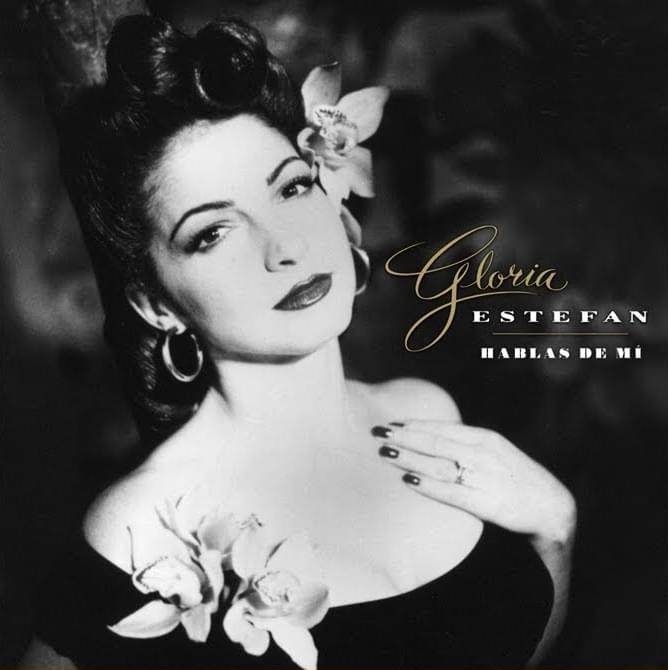
Gloria Estefan's "Hablas De Mí" translates to a raw, almost confrontational exploration of betrayal and the distorted narratives that emerge after a relationship's demise. The song's core revolves around the incredulity and pain experienced when hearing a former lover speak negatively – "Hablas de mí / Y al oírte no puedo creer / Que estés hablando de mí." It's a universal wound: to be misrepresented by someone who once claimed intimacy. The lyrics suggest a deep prior connection, where the singer offered everything, a complete devotion now twisted into something unrecognizable in the ex-lover's retelling. This contrast between past intimacy and present slander highlights the psychological complexity of breakups, where defense mechanisms and bruised egos often lead to character assassination.
Beyond the immediate hurt, "Hablas De Mí" delves into the ex-lover's motivations. The lyrics subtly accuse him of trying to hide "Lo que he sido para ti," hinting that his negative portrayal is a way to diminish the singer's impact and perhaps alleviate his own guilt or regret. This speaks to the common human tendency to rewrite history to fit a more palatable narrative, especially when confronting the consequences of our actions. The plea for sincerity – "Más si algo queda por dentro / Algo más que tu despecho / Se sincero ante ti mismo" – cuts through the noise of the he-said-she-said, urging self-reflection and honesty as antidotes to bitterness.
The song's enduring power lies in its understanding of the long game of love and loss. The warning, "Y antes de hablar del pasado / Piensa que tal vez un día / Quieras volver a mi lado," isn't just a threat, but a poignant observation on the cyclical nature of relationships. It suggests that burning bridges with lies and resentment might foreclose future reconciliation, not out of strategic calculation, but because truth and respect are the foundations for any genuine connection. "Hablas De Mí" isn't merely a lament; it's a cautionary tale about the lasting impact of our words and the importance of owning our past, even when it's painful.
 View Artist