Song Meaning
Glenn Yarbrough's "One More Parade" isn't a celebration; it's a slow, mournful march into the heart of patriotic delusion. The song's meaning hinges on the stark contrast between the pomp of military procession and the devastating human cost it represents. Yarbrough doesn't just depict a parade; he dissects the psychological mechanisms that perpetuate cycles of war and grief. The rhythmic chanting of "Hup, two, three, four" and the "rolling of the drums" create an unsettling juxtaposition with the "widows wail and weep," highlighting the disconnect between the performative patriotism and the genuine suffering left in its wake. The refrain "Don't be afraid, the price is paid" hints at a societal pressure to suppress fear and doubt in the face of nationalistic fervor. This enforced stoicism masks the underlying trauma, allowing the parade to continue, perpetuating the cycle.
The lyrics subtly expose the propaganda inherent in wartime narratives. The young soldiers are "so willing to go and die upon a foreign shore," suggesting a naive acceptance of their fate, fueled by an abstract sense of duty. The lines "everybody looks the same, so there is no one you can blame" point to the dehumanizing effect of war, where individual responsibility is diffused within the collective. The call to "light the flame" becomes a chilling invitation to further sacrifice, masked as an act of honor. The song implicates not just the military leaders but also the cheering crowds and kissing girls, suggesting that society as a whole is complicit in the perpetuation of this tragic ritual.
Ultimately, "One More Parade" serves as a somber reflection on the seductive power of nationalistic pageantry and its ability to obscure the true cost of conflict. The circular structure of the song, returning to the opening verse, emphasizes the cyclical nature of war and the difficulty of breaking free from its grip. It’s a parade not of triumph, but of trauma – a stark reminder that the "price paid" is far greater than any victory can justify. The song's haunting melody and Yarbrough's understated delivery amplify the sense of unease, leaving the listener to question the true meaning behind the flags and the fanfare.
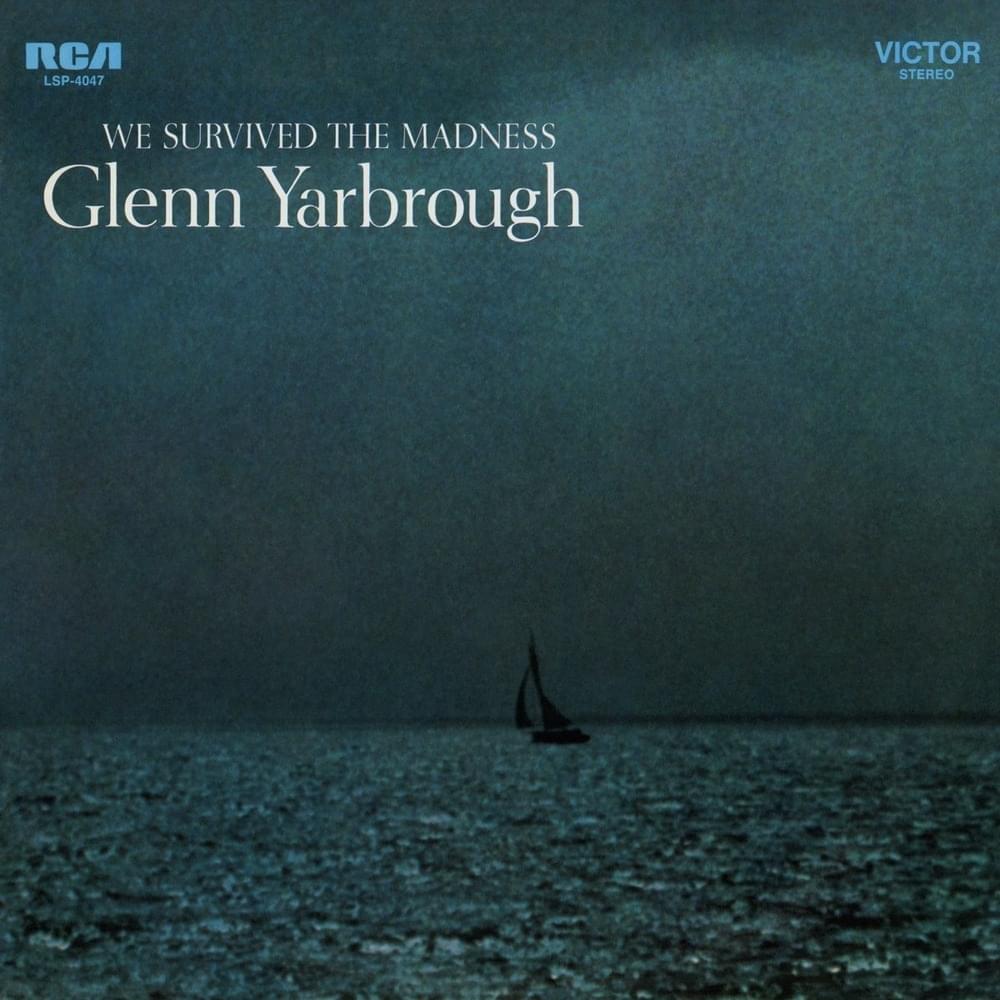
 View Artist