Song Meaning
The lyrics paint a picture of someone realizing their own strength after a relationship where they felt unseen and unvalued. The opening lines, "Look what you've done / You think that you're the only one," immediately establish a sense of grievance and a shift in perspective. The narrator has moved past the initial hurt, declaring, "I've found the strength to carry / Carry on." This isn't just about moving on; it's about actively choosing to persevere despite the other person's self-absorption.
The central tension lies in the contrast between the other person's perceived selfishness and the narrator's newfound self-awareness and determination. The narrator calls out the partner's egocentrism: "You say you love me / But you're the only one you see." This is framed not just as a personal slight, but as a fundamental misalignment with how things "should be." The repeated question, "Is this, is this my destiny," evolves into a confident assertion, "I know this is my destiny," marking a pivotal moment of self-realization.
The most striking craft element is the recurring imagery of clarity and forward movement. Phrases like "The road is clear in front of me" and "It's plain to see" are juxtaposed with the partner's perceived stagnation and self-deception. The narrator asserts, "I'm not the guy that you see," highlighting a transformation and a rejection of the role the partner assigned them. This emphasizes a deliberate detachment from past expectations and a commitment to their own path.
Ultimately, the effectiveness of these lyrics stems from their directness and the palpable shift in the narrator's emotional state. The progression from hurt and questioning to a resolute declaration of destiny feels earned, not just stated. The simple, declarative language, especially in the chorus, solidifies the narrator's newfound conviction, making their journey from being "the lonely one" to embracing their own clear path feel both personal and powerful.
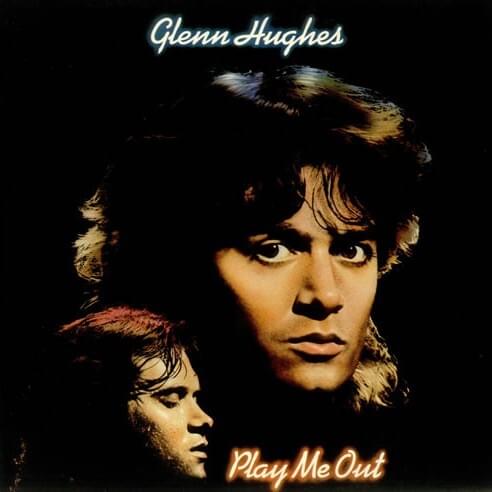
 View Artist