Song Meaning
These lyrics paint a stark picture of a love stalled in perpetual anticipation. The speaker is repeatedly promised marriage and devotion, yet the crucial "tomorrow" where these vows are meant to materialize never arrives. It's a cruel cycle of hope and crushing deferral, leaving the speaker in an emotional limbo.
The emotional weight of this delay is palpable, as the speaker recounts "Many weeks have I waited" and describes "long nights have I cried." This isn't just a fleeting disappointment; it's a prolonged period of anguish, fueled by the elusive "happy morning" that remains just out of reach. The partner's assurances of love and care ring hollow against this backdrop of unfulfilled promises.
The core of these lyrics' emotional punch lies in the relentless repetition of "tomorrow never comes." Each iteration, from "tomorrow's never there" to the emphatic "no no no" and "never ever," builds a sense of inescapable futility. This insistent repetition amplifies the speaker's raw frustration, transforming a simple statement into a desperate, almost pleading lament.
This lyrical structure effectively conveys the speaker's growing disillusionment, moving from initial belief to a weary acceptance of the pattern. The final lines, shifting from "you tell me you love me" to "Can you say that you want me," subtly deepen the narrative. It suggests a desperate re-evaluation, implying that "love" might be an easy word, but "want" implies a tangible desire for commitment that is conspicuously absent.
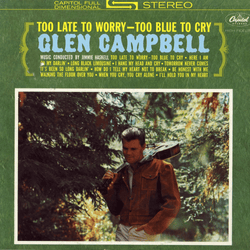
 View Artist