Song Meaning
The lyrics paint a stark picture of enduring loneliness, directly linking the passage of time through the seasons to the persistent ache of missing someone. The narrator states plainly that "summer winter spring and fall" are "the lonely times," immediately establishing a cyclical, inescapable feeling of absence. This isn't just about a bad day; it's a condition that permeates every part of the year, suggesting a deep and ongoing emotional state.
The central tension arises from the contrast between the external world's changes and the narrator's internal stasis. While "each season brings its changes," the narrator confesses, "in me there's been no change at all." This highlights a profound disconnect: the world moves on, but the narrator remains frozen in a state of longing, unable to shake the "sweet memories" of a love that is definitively "over." The repetition of the seasons underscores the futility of hoping for the passage of time to bring healing.
The most striking aspect of the craft is the direct equation of the four seasons with "lonely times" and the moments of most intense missing. This isn't a subtle metaphor; it's a blunt assertion that the very structure of the year, the natural progression of time, serves only to amplify the pain of loss. The phrase "summer winter spring and fall" becomes a refrain that doesn't just mark time but actively embodies the narrator's emotional landscape. The lyrics suggest that the memory of the lost love is so potent that it imbues every season with its absence.
This directness is precisely what makes the lyrics so effective. There's no attempt to obscure the pain with complex imagery or abstract concepts. Instead, the simple, declarative statements about the seasons and loneliness create a raw, relatable feeling of being stuck. The narrator's admission that "the chances now seem very small" to forget, because "there's too much of you still here with me," grounds the emotional weight in a tangible sense of overwhelming memory, making the persistent loneliness feel both inevitable and deeply felt.
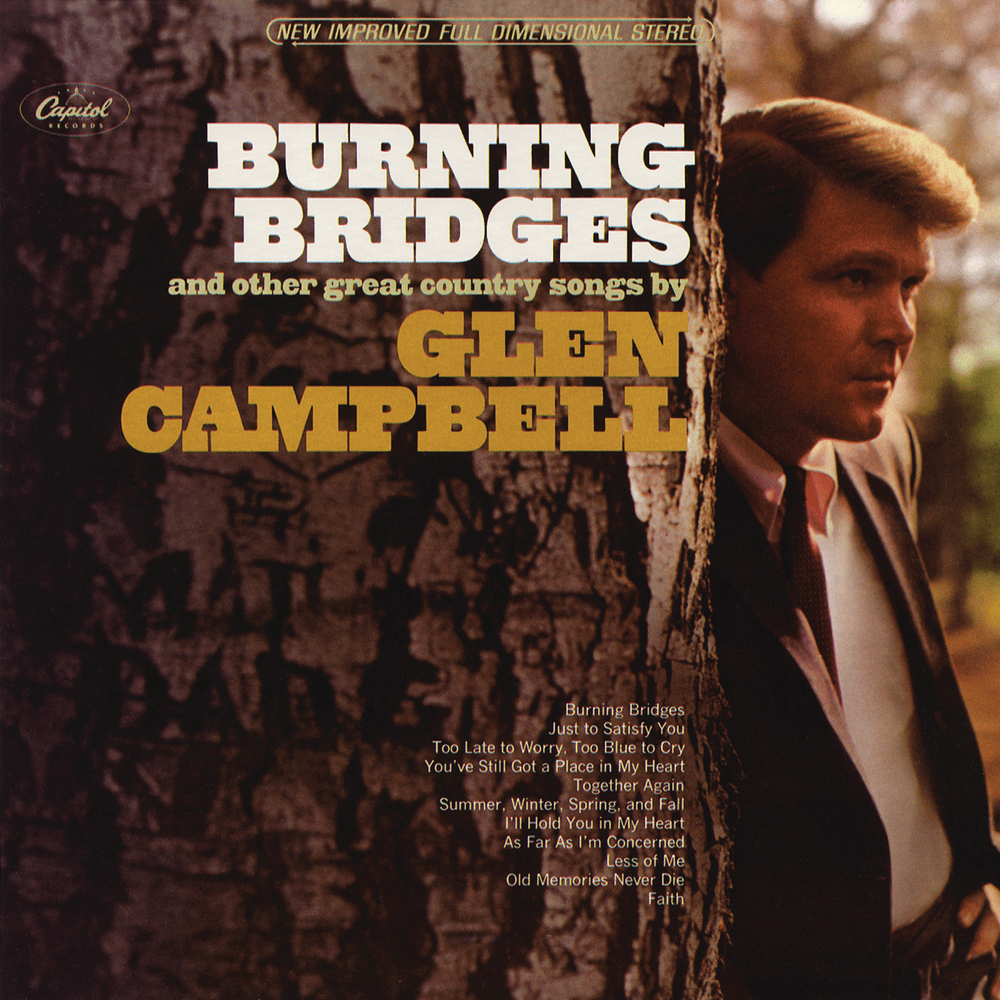
 View Artist