Song Meaning
The lyrics open with a deceptively simple image: "pretty paper, pretty ribbons of blue." This festive scene quickly shifts to a bustling Christmas street, where a lone figure sits, selling these very items. The immediate tension lies in the contrast between the vibrant holiday preparations and the quiet isolation of one individual.
The core emotional conflict emerges from this stark juxtaposition. Shoppers are "busy feet" rushing by, focused on "presents to your darling," while the seller is "all alone on the sidewalk." The lyrics highlight a societal indifference, where the collective pursuit of holiday cheer overshadows the individual's quiet struggle. This creates a palpable sense of profound loneliness amidst the bustling, festive crowd.
The repetition of "Pretty paper, pretty ribbons of blue" is particularly effective. Initially, it sets a cheerful tone, but by the end, it becomes a poignant refrain, underscoring the superficiality of the season. The brief, almost internal monologue, "Should you stop? Better not, much too busy," directly implicates the listener, forcing a moment of self-reflection on the hurried nature of modern life and the easy justifications for overlooking those in need.
These lyrics hit hard by masterfully weaving together contrasting images and emotions. The "ringing of laughter" from the distant crowd, immediately followed by the desolate image of "in the midst of the laughter he cries," creates a powerful emotional gut punch. It's a sharp commentary on how easily genuine human suffering can be drowned out or ignored by the festive noise and commercial demands of the holiday season, making the "pretty paper" feel ironically hollow.
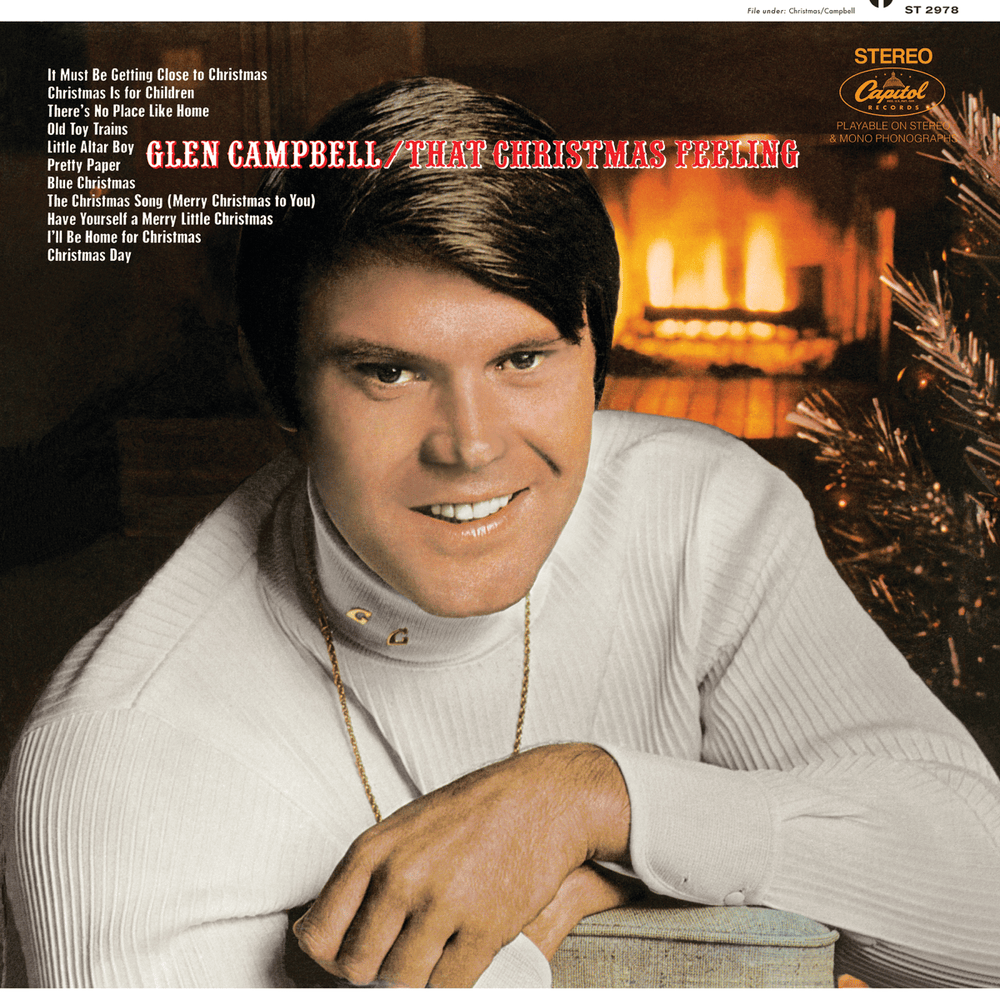
 View Artist