Song Meaning
The narrator is trapped in a loop of regret, haunted by a past relationship that ended with a painful goodbye. The core of the song is the persistent, agonizing presence of "old memories" that refuse to dissipate, causing daily torment and tears. This isn't just wistful nostalgia; it's an active, ongoing torture that the narrator can't escape. The lyrics establish a raw, immediate emotional landscape of sorrow and self-recrimination from the very first lines.
The central conflict lies in the narrator's inability to move on, directly stemming from a profound sense of loss and missed opportunity. The phrase "Why I let an angel cry" points to a specific moment of perceived failure, a decision or inaction that led to the separation. This regret is amplified by the hypothetical "if I'd listen to my heart," suggesting a disconnect between intuition and action that sealed the fate of the relationship. The narrator is caught between the present reality of absence and the vivid, painful recall of what was lost.
The most striking aspect of the writing is the relentless repetition of the chorus, hammering home the idea that "Old memories never die." This isn't just a thematic statement; it's a structural choice that mirrors the narrator's own cyclical thinking. The contrast between "young at heart" and the narrator's current state highlights a loss of innocence or perhaps a newfound, painful wisdom. The line "The greatest treasure in the world / Was at my fingertips" powerfully conveys the immense value the narrator now places on what was once taken for granted, a realization that only arrived after the loss.
Ultimately, the effectiveness of these lyrics comes from their unvarnished portrayal of enduring heartache. The narrator's admission, "I'm still in love with you," cuts through the layers of regret and self-blame, revealing the raw emotional core. The song resonates because it articulates the universal, yet deeply personal, pain of knowing you made a mistake and being unable to undo it, with the past remaining a vivid, inescapable presence.
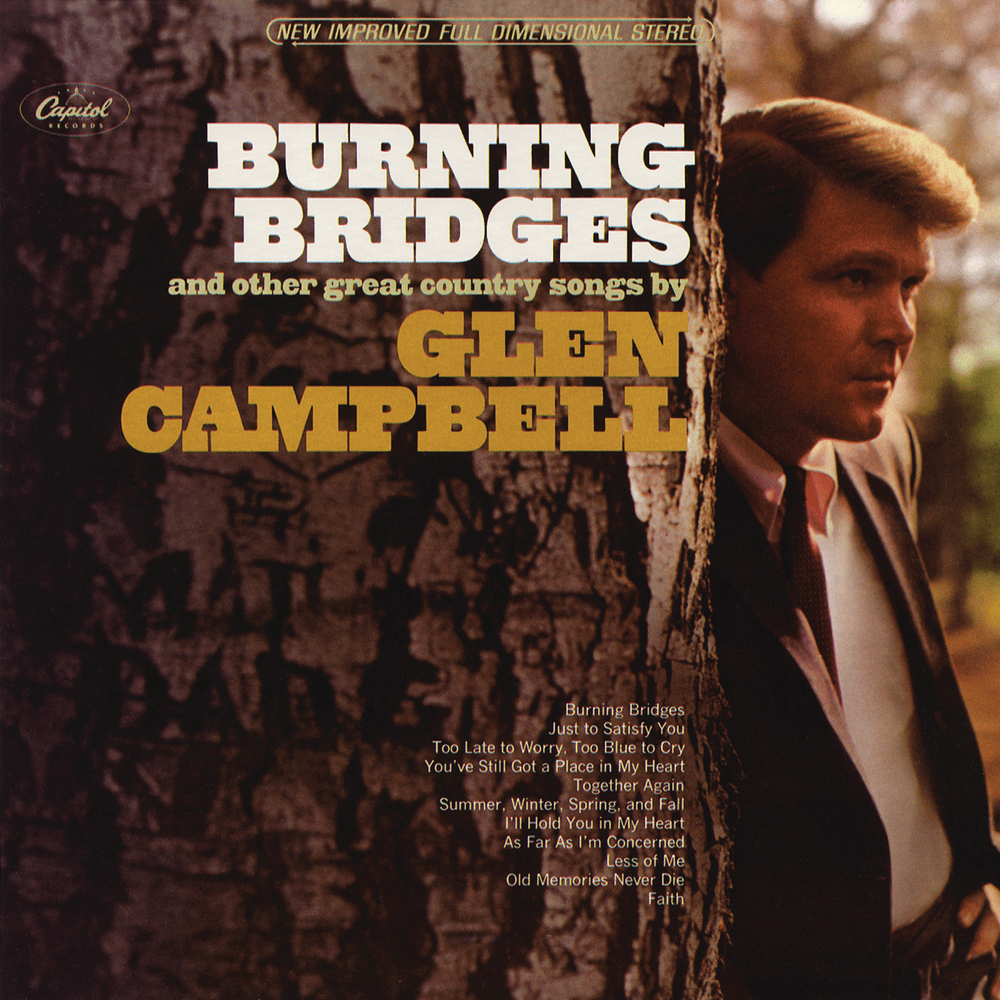
 View Artist