Song Meaning
The lyrics introduce a restless spirit, a man who claims to have run away at four years old. He declares himself a "freeborn man," his identity inextricably linked to constant movement. His "home is on my back," a vivid image of perpetual wandering. This opening immediately establishes a life lived on the road.
A core tension emerges between the narrator's fierce independence and the subtle hints of what he leaves behind. He boasts of knowing "every inch of highway," yet also mentions loving "the girl next door." This suggests a fleeting connection to domesticity, quickly overridden by his chosen path where, he states, "any place is home" – or perhaps, no place truly is. His relationships are scattered across cities, never rooted.
The repeated declaration, "I'm a freeborn man," functions as both a mantra and a shield. It reinforces his self-image, but also seems to justify a life of impermanence. The image of a "worn out guitar" carried in an "old coal sack," hocked and retrieved "two hundred times," powerfully illustrates his dedication to his craft despite hardship. It's a symbol of his persistent, if struggling, artistic identity.
The lyrics' effectiveness lies in their unvarnished portrayal of a defiant, self-made identity. The narrator anticipates criticism – "You may not like my appearance" – yet confidently asserts his eventual impact: "you'll like me when I'm gone." This creates a complex character: proud of his freedom, aware of his unconventional nature, and perhaps a little lonely, but ultimately unyielding in his chosen path. The direct language and vivid, sparse imagery make his transient life feel both romantic and starkly real.
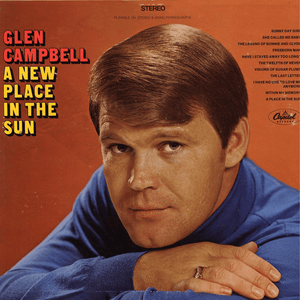
 View Artist