Song Meaning
The lyrics paint a serene, almost ethereal picture of a sacred night, contrasting the universal calm with the watchful presence of a few. The opening verses establish a scene of perfect tranquility, where "all is calm, all is bright." This idyllic setting is immediately juxtaposed with the Romanian verses, which introduce a subtle tension: "Doar doua inimi vegheaza" (Only two hearts are watching). This suggests that while the world sleeps, a select few are awake, their attention fixed on the "Pruncul dulce" (sweet infant).
The core of the piece lies in the profound, almost overwhelming sense of divine love and salvation being offered. The Romanian section speaks of God smiling gently, "Pieptu-i varsa iubire" (His chest overflows with love), and bringing "mantuire" (salvation) and "Pace" (peace) to the world. This isn't just a peaceful scene; it's a moment of cosmic significance where divine grace is actively bestowed upon humanity.
The most striking craft element is the bilingual structure itself, weaving the familiar English carol with the Romanian verses. This creates a unique texture, grounding the universal theme of peace in a specific cultural and linguistic expression. The repetition of "Intr-un leagan de cat / Intr-un leagan de can't" (In a cradle of hay / In a cradle of can't) is particularly intriguing, hinting at limitations or impossibilities even within this holy moment, while the repeated "Pace-n i-a aducand" (Bringing peace to them) and "Domnul e pe pamant" (The Lord is on earth) reinforce the central message of divine presence and peace.
Ultimately, these lyrics resonate because they capture both the quiet intimacy of a specific, tender moment and the grand, world-altering significance of a divine arrival. The careful layering of familiar imagery with more specific, evocative Romanian phrases allows the listener to experience the holiness not just as a concept, but as a palpable, deeply felt event.
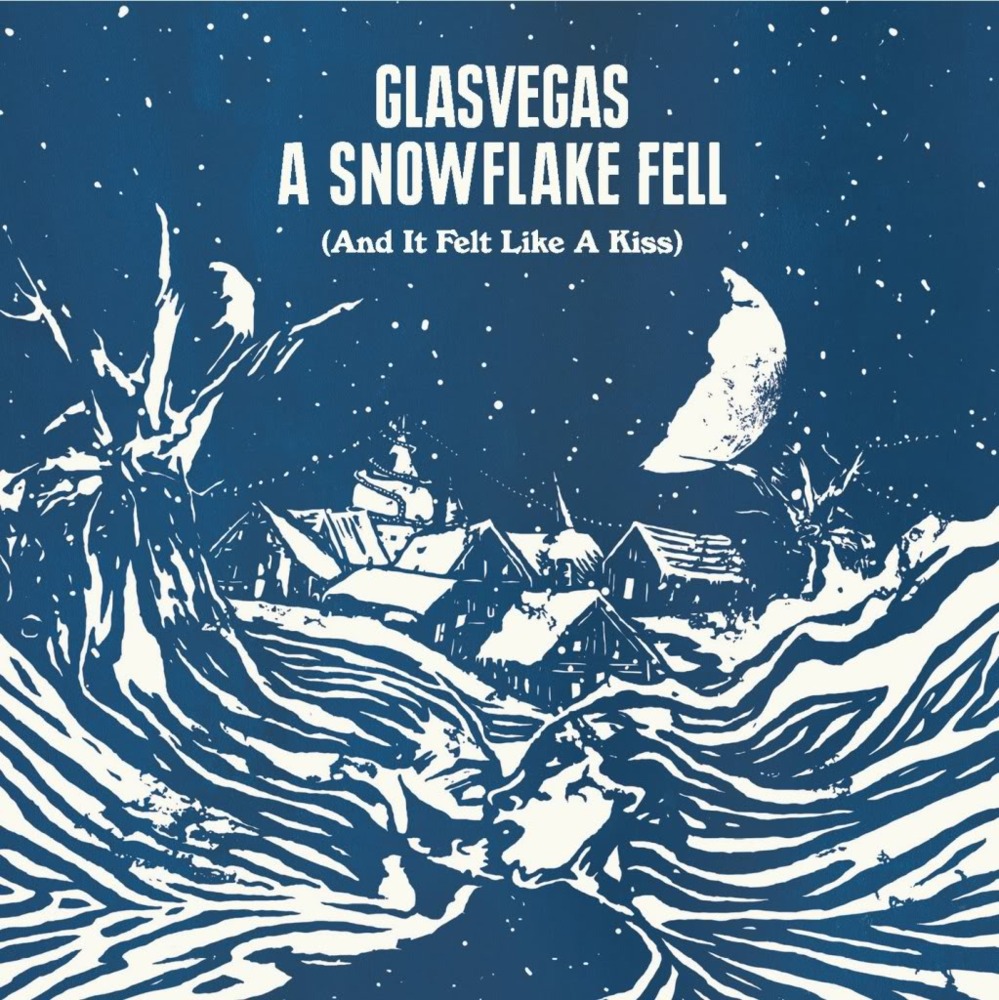
 View Artist