Song Meaning
The lyrics paint a stark picture of internal conflict and societal pressure surrounding same-sex desire. The narrator grapples with "confused desires since my teenage years," explicitly identifying as "the same homo my family fears." This immediately establishes a core tension between the narrator's identity and the perceived judgment of their loved ones. The imagery of "behind closed doors fantasies" highlights the secrecy and shame associated with these feelings, contrasting sharply with the public persona or the family's expectations. The repeated refrain, "And I feel wrong," acts as a raw, almost guttural expression of this deep-seated self-condemnation.
The central struggle is amplified by the narrator's plea for divine forgiveness, confessing "brothers with my eyes that I undress." This religious framing, particularly the invocation of "father," suggests a profound sense of sin and guilt, likely internalized from a religious or moral framework that condemns their desires. The intensity of this internal battle is underscored by the chilling admission, "Once a day I think about killing myself," revealing the devastating psychological toll of this conflict. The narrator feels trapped, unable to "carry on" but compelled to "be strong," even as the pain is palpable in their singing.
The lyrics masterfully use repetition and direct address to convey the narrator's anguish. The repeated question, "God how long will this go on?" coupled with the constant return to "I feel wrong," creates a sense of inescapable torment. The simple, almost childlike plea, "God it's only love, it's only love," attempts to reframe the forbidden desire as something pure and natural, yet it's immediately drowned out by the overwhelming feeling of being inherently flawed. This juxtaposition of a plea for understanding against the persistent internal verdict of wrongness is what makes the emotional weight of the song so heavy.
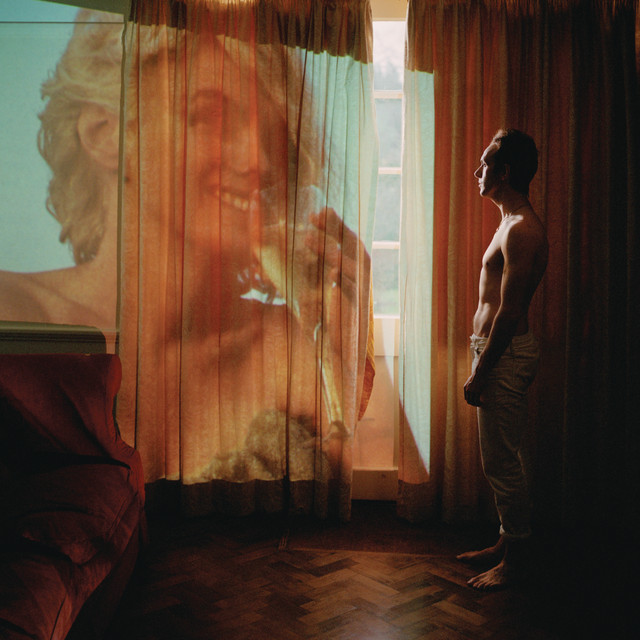
 View Artist