Song Meaning
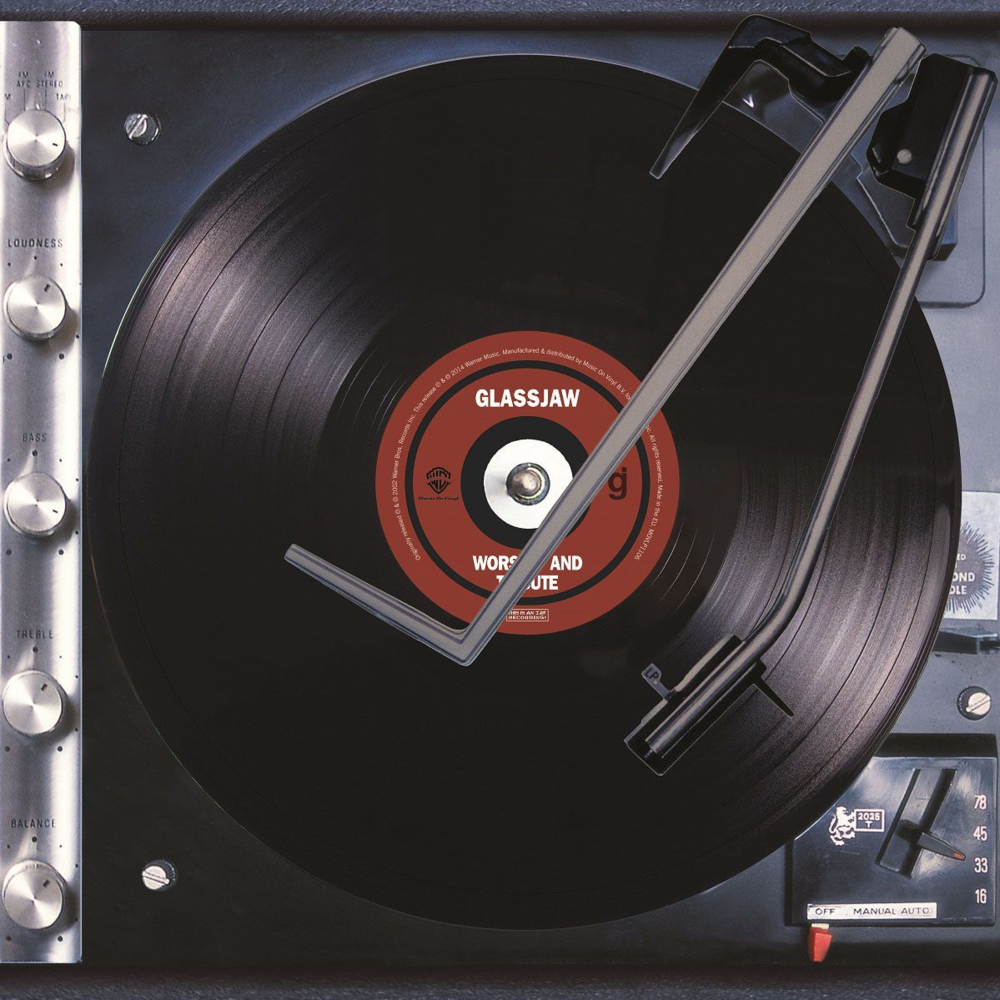
The lyrics paint a picture of someone embracing chaos and destruction with a strange sense of exhilaration. The opening lines, "Put the needle to the record / And hit me with your style," suggest a desire for intense experience, a willingness to be overwhelmed by something powerful. This feeling escalates into a declaration of having "a ball" amidst utter devastation, like a "burning sow" or an "atom bomb." The narrator seems to be actively seeking out or reveling in a state of disarray, finding a perverse joy in the wreckage.
The central tension lies in the narrator's self-perception, oscillating between being a victim of circumstance and an agent of destruction. They question, "Am I driftwood or hosanna?" while admitting to being "knee-deep in disease" and a body "laid anonymously / On the beach." This suggests a struggle with identity, a feeling of being lost and corrupted, yet the repeated chorus implies a defiant embrace of this fallen state. The act of jumping ship to a "burning sow" and having "a ball" highlights a conscious choice to engage with the destructive elements.
The bridge introduces a more philosophical layer with the repeated phrase, "Denial is a river in Egypt." This idiom points to a profound avoidance of truth or reality, but its placement here, juxtaposed with "Division is a reunion in the south," suggests that even in fractured states, there's a form of coming together, perhaps through shared delusion or a perverse sense of community. The "communion in my mouth" being elusive implies a spiritual or meaningful connection that remains just out of reach, further emphasizing the narrator's disconnected and chaotic existence.
Ultimately, the effectiveness of these lyrics stems from their visceral imagery and the jarring contrast between destructive events and the narrator's nonchalant, even gleeful, reaction. The phrase "lost sight of his word" in the outro hints at a betrayal of principles or a loss of integrity, tying the personal disintegration to a broader theme of moral decay. The narrator's embrace of the "burning sow" and "atom bomb" isn't just about chaos; it's about finding a strange freedom or catharsis within it, a defiant "had a ball" in the face of overwhelming ruin.
 View Artist