Song Meaning
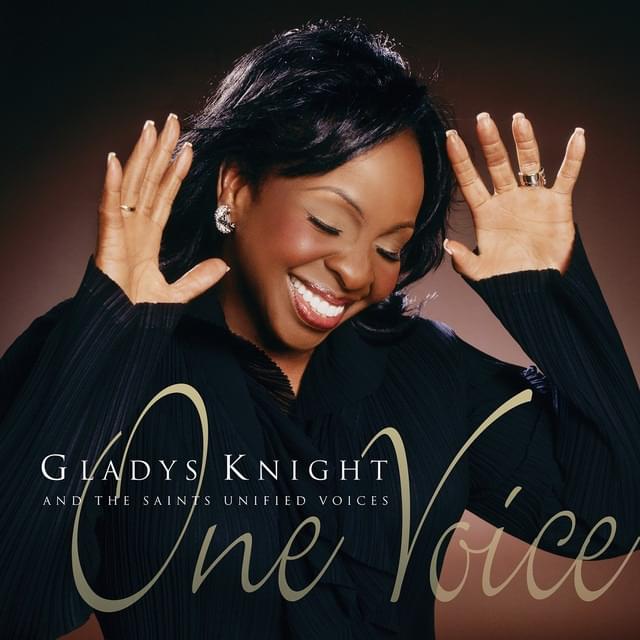
Gladys Knight's rendition of "Come, Come, Ye Saints" transcends simple hymn; it’s a full-throated declaration of spiritual liberation. The song, steeped in gospel fervor, pulses with the joy of divine connection and the transformative power of faith. It's not just about religious observance, but a deeply personal encounter with the divine, a moment where the singer's heart is irrevocably changed. The lyrics point to a life pre- and post-salvation, emphasizing a profound shift from a state of bondage to one of freedom and praise. Knight's delivery amplifies this sentiment, turning a traditional hymn into a contemporary testament. The song's power resides in its confident assertion of a personal relationship with Jesus. Phrases like "He changed my life with one simple call" and "He gained my heart to love Him o'er all" highlight the intimacy and immediacy of this connection. This isn't a distant, abstract deity; it's a present, active force in the singer's life. The commitment to praise and share this love "forevermore" speaks to a complete and unwavering devotion. The latter verses elevate the song beyond personal testimony, linking it to broader themes of redemption and social justice. References to announcing good news to the poor, releasing captives, and restoring sight to the blind echo core tenets of Christian theology. The lyrics portray a divine figure actively working to alleviate suffering and oppression, establishing a "year of Jubilee" – a time of liberation and renewal. The song ultimately becomes a communal celebration of this divine intervention, a joining of hearts in acknowledgement of God's kingdom and the dawn of a new era. The proclamation that "God's kingdom's here, the age has turned" is a powerful statement of hope and transformation, solidifying the song's status as more than just a hymn, but a spiritual manifesto.
 View Artist