Song Meaning
The lyrics open with a terse, almost perfunctory exchange: "Come stai?" "Bene grazie." This polite surface quickly gives way to a torrent of unexpressed thoughts. There's an immediate sense of hidden depth and unspoken feeling, setting a tone of internal conflict.
The core tension lies in the speaker's profound fear of vulnerability. They confess to "tremavo di paura," dreading that any emotion would betray them. This intense internal struggle manifests in a pattern of waiting and secretly following, a longing that remains unvoiced. The repeated internal question, "Vuoi davvero," seems to grapple with the true desires of either the speaker or the other person, highlighting this emotional impasse.
The lyrical craft masterfully uses juxtaposition. A mundane observation about the weather, "'Guarda che acqua viene giù?'", abruptly cuts off the brief interaction, underscoring the other person's distracted nature. This external detachment throws the speaker's recurring internal thoughts into sharper relief, emphasizing a mind consumed by unshared anxieties. A specific memory of singing a Veronique Sanson song then acts as a poignant anchor to a past intimacy, making the current emotional distance even more acute.
These lyrics hit hard because they capture the universal ache of unexpressed emotion. The listener is privy to a rich, anxious inner world that remains completely hidden from the person being addressed. This creates a powerful sense of empathy for the speaker's silent struggle, where every polite word is a shield against a tidal wave of feeling. The effectiveness comes from revealing the profound chasm between what is said and what is truly felt, making the waiting a metaphor for a life paused by unacknowledged desire and fear.
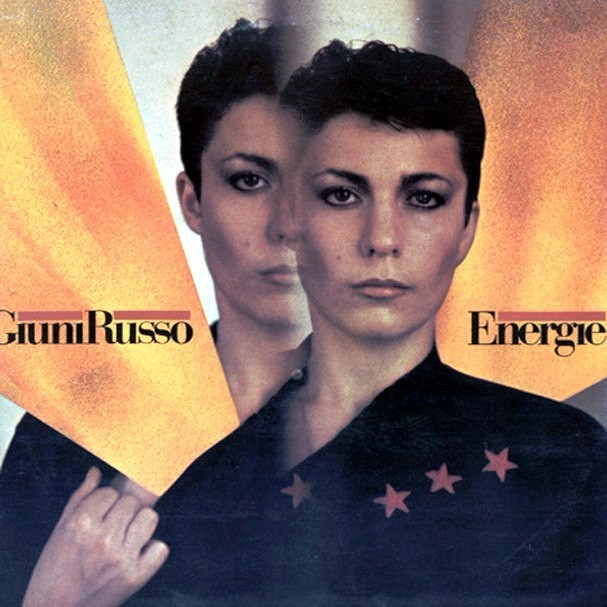
 View Artist