Song Meaning
The narrator is clearly wary of a potential romantic entanglement, having been hurt before. There's a sense of déjà vu, a recognition of familiar patterns in the other person's behavior that signals impending heartbreak. The repeated phrase, "I know what your waiting for," suggests a cynical awareness of the other person's intentions, which the narrator refuses to fall for again. This isn't about a fresh start; it's about recognizing a script that's already played out.
The central tension lies in the conflict between past pain and present possibility. The narrator admits, "if we take some time / You could change my mind," hinting at a lingering vulnerability or a desire for things to be different this time. However, this hope is immediately undercut by the insistent refrain, "Don't call it love," a plea to avoid labeling the situation with a word that has clearly brought them pain in the past. It's a desperate attempt to create distance and protect themselves from a repeat performance of heartbreak.
The most striking element is the relentless repetition of "Don't call it love." This isn't just a chorus; it's a mantra, a shield being erected against emotional investment. The addition of "From the moon and stars above" in the final plea adds a touch of dramatic irony, invoking grand romantic imagery while simultaneously rejecting the very concept it represents. The narrator is trying to sever the connection between the grand gestures or potential feelings and the damaging label of love.
This lyrical approach is effective because it captures the raw, protective instinct that kicks in after betrayal. The simple, direct language and the insistent repetition create a feeling of someone trying to hold themselves back from a precipice. The narrator isn't necessarily saying love is bad, but that *this* specific situation, given their history, is not love and should not be mistaken for it, lest the cycle of pain continue.
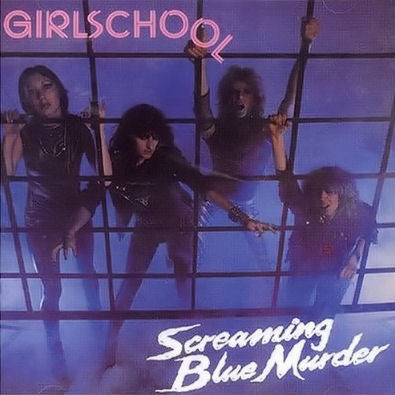
 View Artist