Song Meaning
The lyrics present a raw, almost desperate call to embrace immediate experience and reject conventional limitations. The repeated "Check your life span" acts as a stark reminder of mortality, urging the listener to "Do like ya want" before time runs out. This isn't about a leisurely life, but a fervent plea to "Fuse the power of now / The power of never," suggesting an intense, all-or-nothing approach to living. The narrator frames this urgency as their "idea of fun," a concept that seems to involve a shared, perhaps destructive, intensity.
The central tension lies between the finite nature of existence and the desire for an uninhibited, even reckless, pursuit of experience. The phrase "burn like ya don't exist" and the confession "I can't survive / Without a kick into the soul drive" highlight a need for extreme sensation. This is further amplified by the recurring question, "Do ya still dream like me?" which introduces a communal aspect to these intense desires, specifically mentioning "Brand new evil dreams / Infectious, collective dreams." It suggests a shared yearning for something beyond the ordinary, even if it's tinged with darkness.
The most striking craft element is the juxtaposition of seemingly contradictory ideas. "Fuse the power of now / The power of never" creates an immediate paradox, demanding both present action and a disregard for future consequences. Similarly, "This is no apocalypse / Just burn like ya don't exist" reframes potential destruction as a form of liberation, not an end. The repetition of "My idea of fun" anchors these intense, potentially dangerous impulses in a personal, yet inviting, framework, making the radical call to action feel both intimate and compelling.
Ultimately, these lyrics resonate because they tap into a primal urge for authentic, unbridled living against the backdrop of inevitable finitude. The writing doesn't offer comfort, but a fierce invitation to engage with life intensely, to "burn" brightly even if it means burning out quickly. The shared "evil dreams" suggest that this desire for extreme experience isn't solitary, but a collective undercurrent, making the narrator's plea feel less like a personal eccentricity and more like an articulation of a shared, unspoken impulse.
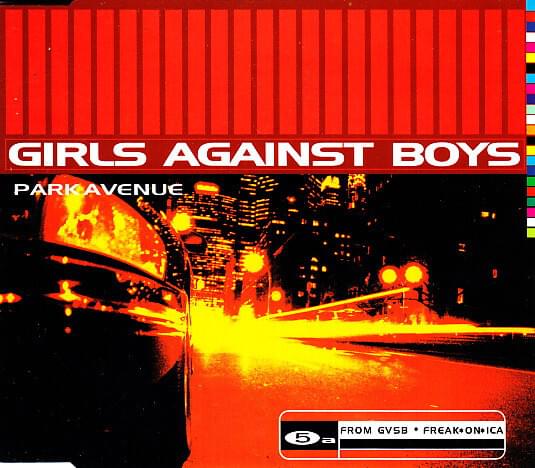
 View Artist