Song Meaning
This track paints a vivid picture of a relationship that's completely broken down, stuck in a perpetual traffic jam. The narrator pleads for a simple act of avoidance: if they cross paths on their old familiar streets, just pretend not to see each other. The core request is to "organize the traffic" so their routes never intersect again, highlighting a desperate need for separation after a severe falling out. The dominant tone is one of resigned sadness and a desire for distance.
The lyrics reveal a deep disconnect, a "traffic control" failure in both their literal and figurative communication. The narrator describes a fight where they were "driving fast" while the other person was already "far away," symbolizing an unbridgeable gap. The repeated phrase "too out of sync" underscores this, with "traffic, communication, pain" all becoming "jammed" or "broken," like a "dead GPS." This breakdown isn't just emotional; it's presented as a complete system failure.
Heize’s verse amplifies this sense of impending doom, warning that "we'll both die if we keep going like this." The absence of "insurance" for their relationship means any "accident" won't be compensated, emphasizing the irreversible damage. The feeling of being "stuck" in "rush hour" even when it's not, with "no way out," perfectly captures the suffocating, hopeless state of their connection. The plea to "pull over" signifies a desire to escape the destructive path they're on.
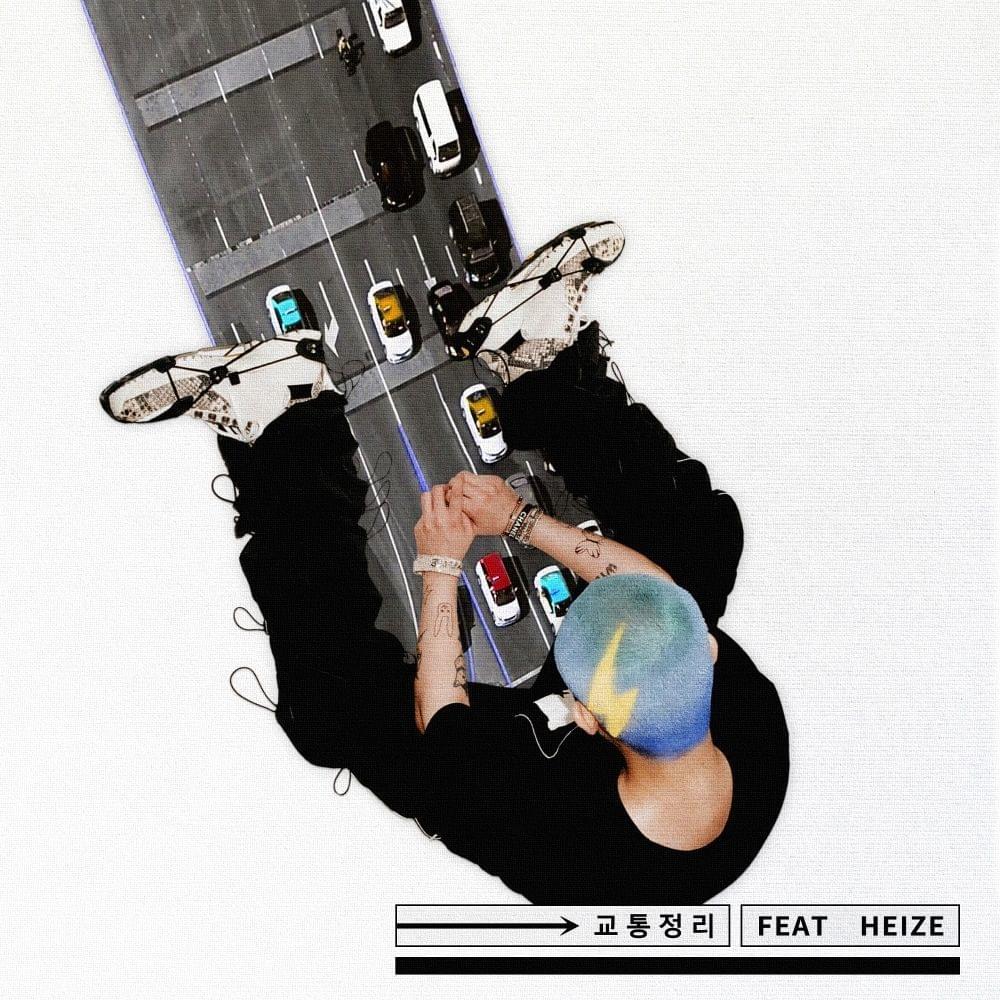
The effectiveness of these lyrics lies in their consistent, relatable metaphor. The "traffic control" theme isn't just a clever hook; it's woven through every aspect of the song to describe the total gridlock of their relationship. The imagery of cars, roads, and navigation failures grounds the emotional turmoil in tangible, everyday experiences, making the pain of their separation feel both specific and universally understood.