Song Meaning
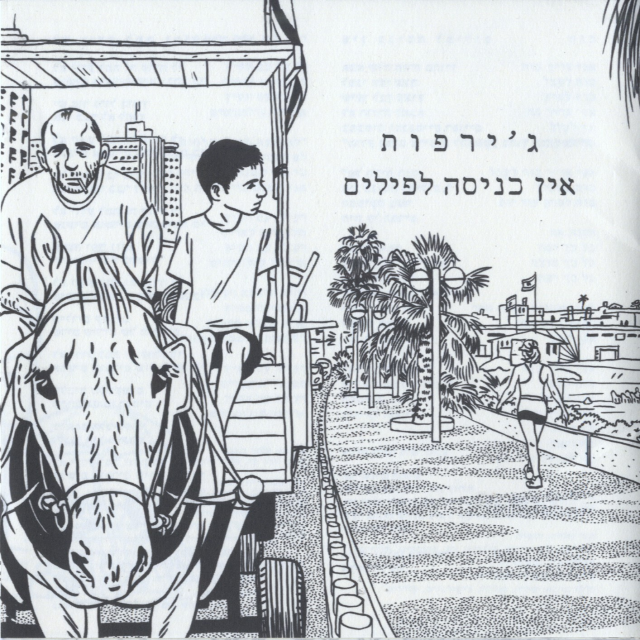
The lyrics paint a surreal, almost nightmarish scene of urban decay and chaos, starting with a sewage overflow in the middle of the road, shimmering with oil slicks. This unsettling image is juxtaposed with a list of disparate objects – a radiator, air conditioner, sewing machine, straw basket, Israeli flag, and a cart driver – creating a sense of fragmented reality. The dominant emotional tone is one of distress and desperation, amplified by a child's plea: "Father, please, don't hit Moses..."
The central tension seems to revolve around a harsh, perhaps violent, act directed at "Moses," a figure or entity whose identity remains ambiguous but is clearly causing distress. The lyrics describe a "very hot day" where "Jaffa is burning," suggesting a city in turmoil or intense suffering. Amidst this, a child is described as "colliding within his thoughts," grappling with the incomprehensible idea of a father replacing horses, hinting at a profound disruption of natural order or tradition.
The most striking craft element is the abrupt shift from the visceral, almost grotesque imagery of the overflowing sewage to a collection of seemingly random items, culminating in the plea. This juxtaposition creates a disorienting effect, mirroring the child's confusion and the overall sense of things falling apart. The repetition of "Everyone falls" underscores the pervasive sense of collapse and vulnerability, linking the initial chaotic scene to the personal plea and the subsequent mention of a broken washing machine.
These lyrics are effective because they bypass direct explanation, instead immersing the listener in a sensory and emotional experience of breakdown. The fragmented imagery and the child's desperate interjection create a potent atmosphere of anxiety and helplessness. The ambiguity surrounding "Moses" and the father's actions invites interpretation, making the emotional impact feel personal and deeply unsettling, as if witnessing a private tragedy unfolding within a larger societal collapse.
 View Artist