Song Meaning
These lyrics paint a stark picture of a life lived in profound isolation. The narrator describes themselves "rolling through life like a poor pilgrim," suggesting a journey without clear purpose, marked by hardship. This aimless wandering quickly gives way to a more acute sense of entrapment, as they feel "locked in the door that I don't have a friend left," a striking image of self-imposed or inescapable solitude.
The central emotional tension here lies in the contrast between potential and profound restriction. The line "And this my sea tied up abandoned and alone" is particularly potent. A sea represents vastness, freedom, and deep emotion; to have it "tied up" speaks to a suffocated inner world, a spirit held captive, leading to an overwhelming sense of abandonment and loneliness.
Yet, a powerful shift occurs with the declaration, "But my life, it will be nailed down / It will be nailed down like the waters of a river." The Spanish verb "enclavara" carries a weight of finality, suggesting something fixed, embedded, or even painfully anchored. This contrasts sharply with the initial aimlessness, implying an inevitable settling or a forced stability, like a river's course that cannot be diverted. The subsequent line, "Like the waters a man has lived," adds a layer of ambiguity, hinting at a life endured or a profound accumulation of experience.
Ultimately, these lyrics resonate because of their raw, almost visceral imagery and the poignant shift from passive suffering to a determined, if weary, acceptance of fate. The abrupt, repeated "Para, para, para, para..." at the close acts as a sudden, almost breathless punctuation, leaving the listener with a sense of a journey halted, a life brought to a definitive, unyielding stop.
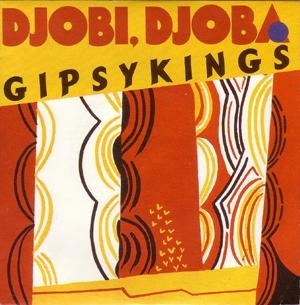
 View Artist