Song Meaning
The lyrics open with a vivid memory: a chance encounter on the street. The narrator recalls finding someone "solita por la calle," alone but seemingly waiting for them. This immediate connection is then amplified by an insistent, almost chanting declaration of "Amor, amor, amor," tying this profound feeling to "aquella noche."
A central tension emerges from the idea of destiny versus reality. The narrator feels they were "naciendo para ver," born with a purpose to witness something significant. Yet, this grand purpose culminates in finding the beloved "sin nada," suggesting a love that embraces vulnerability or a lack of material possessions, rather than something grand or ostentatious.
The most striking craft element is the powerful interplay between the intimate narrative details and the repetitive, almost ritualistic chorus. The simple, direct memory of the meeting and the public desire for their union ("Decía la gente quiere / Que tú vivas conmigo") grounds the love in a tangible reality. This contrasts with the hypnotic "Amor, amor, amor," which elevates the feeling to an almost spiritual plane, making the love feel both deeply personal and universally resonant.
These lyrics are effective because they build a sense of fated, unconditional love. The idea that the person was "sola me esperabas" implies a preordained meeting, while the narrator's feeling of being "naciendo para ver" underscores a profound, almost spiritual connection. This sense of destiny, combined with the raw, repeated declaration of "Amor, amor, amor" rooted in a specific, foundational "noche," creates an enduring and deeply passionate emotional core.
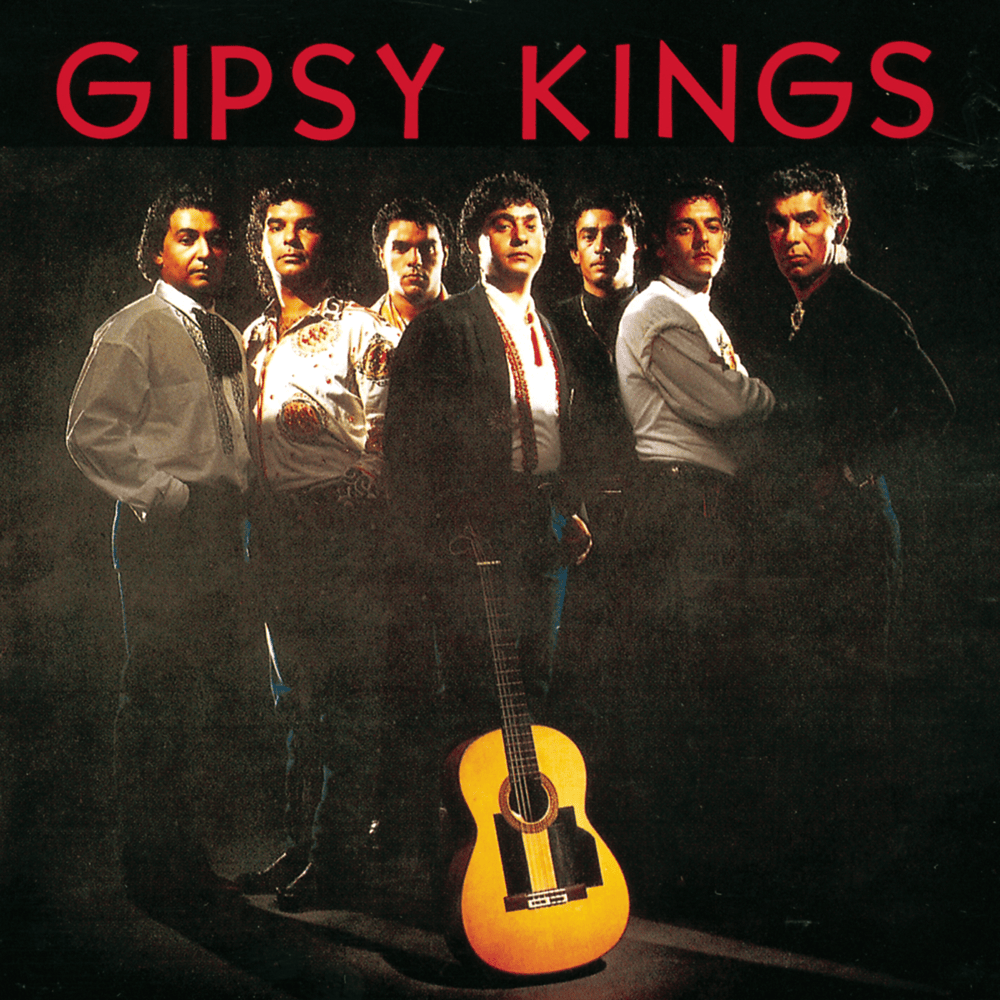
 View Artist