Song Meaning
The lyrics open with a vivid, almost cinematic memory: the narrator recalls the exact day they encountered someone alone on the street. There's an immediate sense of destiny, as the narrator suggests this solitary figure was "waiting just for me." This sets a deeply personal and nostalgic tone for a fated meeting.
The insistent, almost hypnotic chant of "Amor, amor, amor" acts as a powerful emotional anchor, transforming the word from a simple noun into an almost sacred invocation. This intense repetition, directly tied to "that night," suggests an overwhelming, foundational love that began on a specific, unforgettable evening. It's less about describing love and more about the visceral experience of feeling it intensely and remembering its origin.
A compelling tension emerges when the narrator states, "I was born to see / But I find you with nothing." This isn't a lament; rather, it implies a profound connection that transcends material possessions or external circumstances. The narrator's very purpose, "naciendo para ver," seems to culminate in this encounter, suggesting that finding the beloved "sin nada" means finding them in their purest, most essential state, ready for a love unburdened by external factors. The line "Decia la gente quiere Que tu vivas con migo" further reinforces this, showing external validation for a connection that feels destined.
The lyrics' effectiveness lies in their directness and the subtle interplay of memory and destiny. By grounding the intense, repeated declaration of "Amor" in concrete details—a street corner, a specific night, the perception of being waited for—the song crafts a narrative of fated love. It captures the powerful, almost spiritual feeling of recognizing a soulmate, making the listener feel the weight and wonder of that initial, transformative encounter.
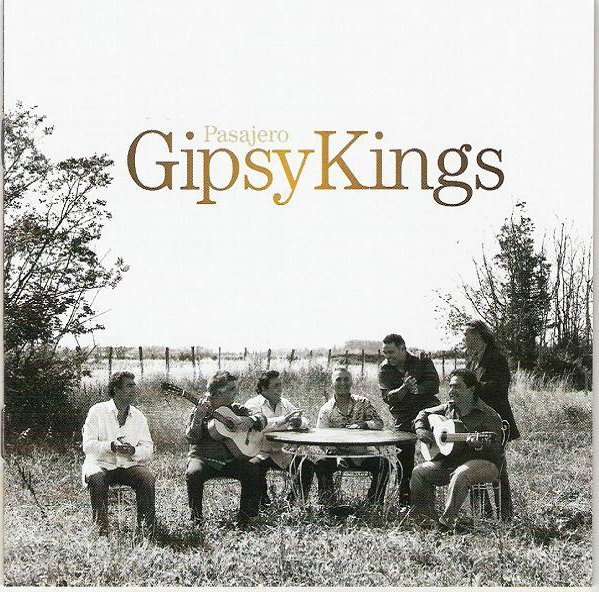
 View Artist