Song Meaning
Giorgos Mazonakis's "Me lene Giorgo" isn't just a song; it's a stark declaration of self. The repeated line, "My name is Giorgo, and I never sing," immediately establishes a central paradox. In essence, the very act of singing this song *is* the subversion of its core claim. This tension is where the song's power lies, hinting at a deeper struggle within the narrator. He refuses to sing of love's bittersweet pain, doesn't pluck daisies (a symbol of romantic longing), and expects no one's return. He positions himself as emotionally detached, almost stoic. But why? What shields him from the vulnerability inherent in love songs? The lyrics suggest a profound sense of inadequacy.
The second verse reveals the song's melancholic core. Giorgos anticipates suffering every moment of his life, not because of external forces, but because of his own perceived failures. He laments not doing what he should have, lacking the inner strength ("pygmi") to act as he believes he ought to. This self-inflicted wound is far more profound than any romantic rejection. The refusal to sing about love, then, might be a defense mechanism. Perhaps love's vulnerability is too much to bear for someone already wrestling with feelings of inadequacy.
"Me lene Giorgo" transforms from a simple statement of identity into a portrait of internal conflict. It's a confession of sorts, masked as a denial. The repetition of "My name is Giorgo" acts as a mantra, a way for the narrator to ground himself in the face of overwhelming self-doubt. The song's meaning resides not just in what Giorgos *says* he is, but in what he *reveals* about his inner turmoil through the very act of singing. It’s a fascinating exploration of identity, regret, and the human condition, all wrapped in a seemingly simple Greek lament.
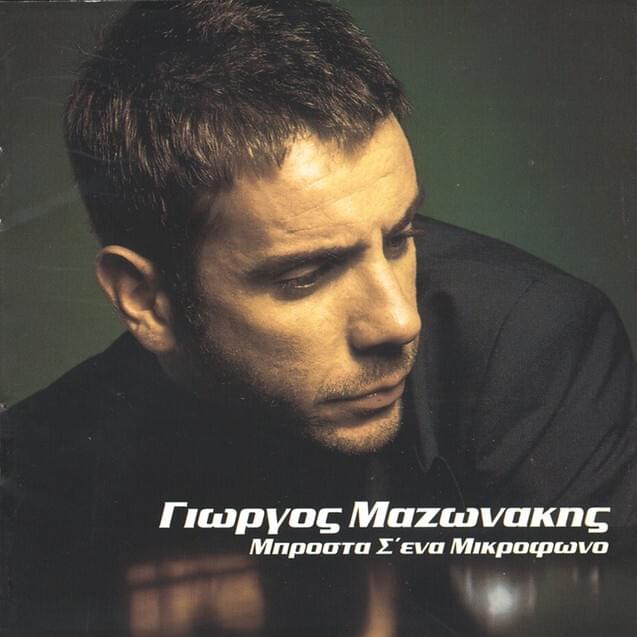
 View Artist