Song Meaning
Giorgos Mazonakis's "Η βαλίτσα (I valitsa)" isn't just a breakup song; it's a theatrical declaration of independence from emotional quicksand. The track bubbles with a uniquely Greek sense of melodrama, painting a portrait of a relationship suffocating under the weight of unmet needs and simmering resentment. The repetition of "Δεν κατάλαβα τι έχεις / Και δε με προσέχεις" ("I don't understand what's wrong with you / And you don't pay attention to me") sets the stage: a one-sided dialogue where the speaker feels unseen and unheard. The partner's actions—or inactions—become a constant source of friction, eroding the foundation of the relationship. The repeated line "Κι όλο με μαλώνεις / Κι όλο μου κολλάς" ("And you keep scolding me / And you keep bothering me") emphasizes the feeling of being trapped in a cycle of negativity.
The chorus, with its defiant cry of "Θα πάρω τη βαλίτσα μου / Και θα την κοπανίσω" ("I'll take my suitcase / And I'll slam it"), is the turning point. It's not just about leaving; it's about making a statement, a visceral rejection of the status quo. The speaker acknowledges their initial love ("Εγώ κι αν σ΄ερωτεύτηκα"), but couples it with a firm, rational decision: "Πως σε θεμέλια ψεύτικα / Δε γίνεται να κτίσω" ("That on false foundations / It is not possible to build"). This reveals a psychological maturity, a refusal to invest further in a relationship built on instability and dishonesty. The suitcase, then, symbolizes not just physical departure but also the emotional baggage the speaker is choosing to leave behind.
The final verse underscores the imbalance of power within the relationship. The lines "Όλα τα ζητάς κι ακόμη / Η δική σου γνώμη / Να 'ναι σεβαστή" ("You ask for everything and still / Your opinion / Must be respected") highlight the speaker's feeling of being constantly overlooked and undervalued. The relationship, once a source of joy and connection ("Κάναμε πολλή παρέα"), has devolved into a state of mutual misunderstanding and neglect ("Παραγνωριστεί"). Ultimately, "Η βαλίτσα (I valitsa)" is a power anthem disguised as a lament. It's about recognizing when love is not enough and choosing self-preservation over a slow, agonizing decline. The song's enduring appeal likely stems from its raw honesty and its celebration of the courage it takes to walk away.
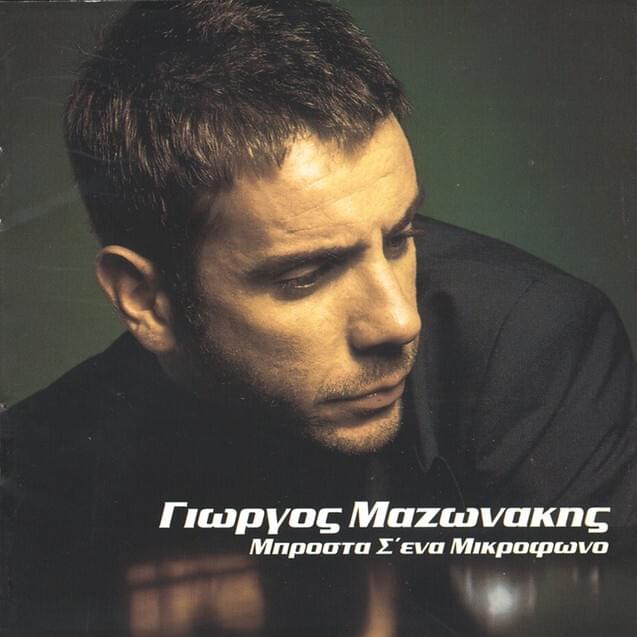
 View Artist