Song Meaning
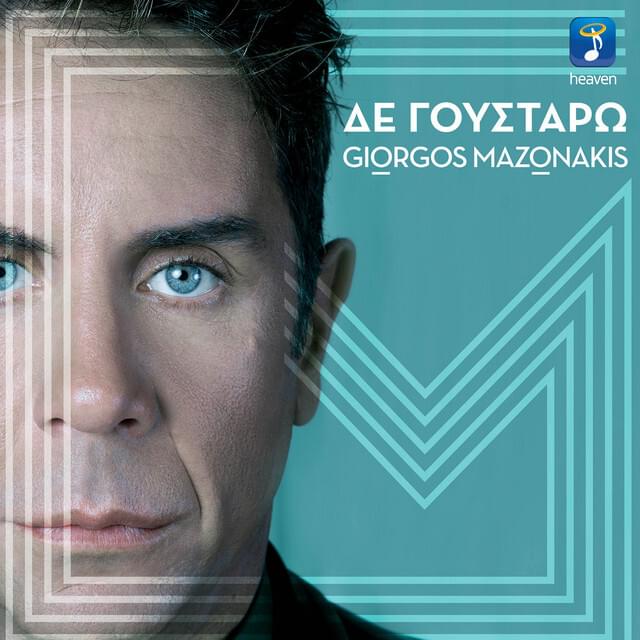
Giorgos Mazonakis's "De goustaro" isn't just another heartbreak anthem; it's a dissection of disillusionment, a refusal to settle for manufactured affection. The opening verses set the stage: a "glass rain" mirroring empty words, the speaker's desperate search for authenticity in a partner riddled with falsehoods. There's a palpable sense of self-awareness here, a recognition that the speaker is complicit in their own pain, dissecting the relationship's dynamic with almost clinical precision. The repeated line, "If I didn't know you, what would I have lost?" underscores the central conflict: the agonizing realization that the object of affection is, perhaps, not worth the emotional investment. The romantic ideal clashes with the harsh reality of a relationship built on pretense, a theme that resonates deeply in modern dating.
The chorus serves as a stark declaration of principles. "De goustaro," meaning "I don't like," is a blunt rejection of fairy tales and deceit. The speaker craves truth, even if it's painful, signaling a desire for genuine connection over comforting lies. The metaphor of the partner as the speaker's "Titanic" is particularly cutting, portraying a relationship destined for destruction, dragged down by the weight of its own inauthenticity. This isn't just about romantic disappointment; it's about the broader human need for sincerity and the profound disappointment when that need goes unmet. The reference to the "Titanic" suggests not just impending doom but also the allure of something grand and ultimately ruinous.
The second verse deepens the exploration of the partner's evasiveness. The speaker yearns to find beauty in the depths of their partner's eyes, to find a reason to sustain their love. The line "Whatever you don't dare, one day hates you," hints at the self-destructive nature of inauthenticity, the idea that suppressing one's true self ultimately leads to resentment. The speaker's desire for a partner who is both "rare diamond" and "earthly and oceanic" speaks to a longing for someone who embodies both extraordinary qualities and grounded humanity. Ultimately, "De goustaro" is a powerful statement about the importance of self-respect and the courage to walk away from relationships that demand a sacrifice of one's own truth. It's a song that speaks to anyone who has ever felt trapped in a cycle of manufactured emotions, yearning for something real.
 View Artist