Song Meaning
The lyrics paint a celestial love story, where the night sky becomes a canvas for profound affection. The narrator finds a whole alphabet of white stars, reading words that glow in the blue expanse. This cosmic imagery isn't just decorative; it's the very language of their devotion. The moon, observing the scene and mirroring itself in the sea, seems to confirm this singular love, suggesting that only one person can be adored. A golden cascade of light in the sky reinforces this vision, making the beloved appear on the horizon, an undeniable presence.
The central tension lies in the overwhelming, almost divine confirmation of love. The repetition of the moon's reflection and the golden cascade emphasizes how every natural element seems to conspire to validate this intense feeling. The narrator is not just experiencing love; they are witnessing its cosmic endorsement, a force so powerful it's written in the stars and reflected in the ocean's depths. This isn't a quiet, internal feeling but an external, grand declaration.
The most striking craft element is the metaphor of the "alphabet of heaven." This transforms the vast, impersonal universe into a personal, readable text, where stars spell out declarations of love. The comparison in the chorus, where the narrator's love "shines more than the stars above," elevates their personal emotion to a cosmic scale, suggesting it outshines even the celestial bodies. The beloved's name is destined to "sparkle" within this heavenly alphabet, permanently inscribed in the cosmos.
This lyrical construction is effective because it grounds an intense, personal emotion in grand, universal imagery. The use of natural phenomena—stars, moon, sea, golden light—creates a sense of awe and inevitability. The narrator's love isn't just a feeling; it's a cosmic truth, as evident and brilliant as the night sky itself, making the declaration feel both deeply personal and breathtakingly epic.
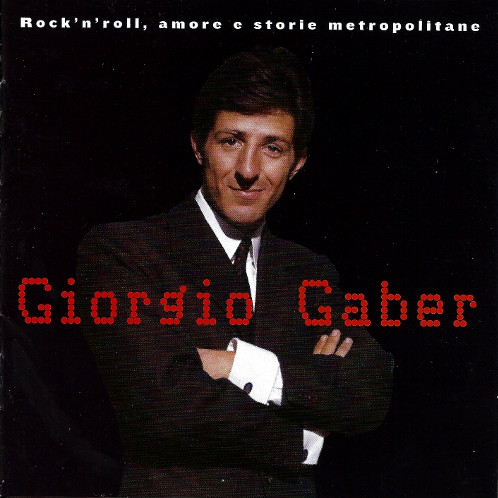
 View Artist