Song Meaning
The lyrics paint a cynical picture of magistrates, portraying them not as figures of justice, but as men more concerned with leisure and personal indulgence than their duties. They are depicted as engaging in games of chance and associating with paid escorts, setting a tone of decadence from the outset. The narrator suggests their primary concern is gathering information, not through diligent investigation, but by sending a subordinate to 'poll' the public mood, highlighting a detached and almost lazy approach to their responsibilities.
The central tension lies in the stark contrast between the public perception or expectation of magistrates and their actual behavior. While they make a show of appearing in public 'lest they be accused of softness,' their true focus is revealed to be on the immediate gratification of drinking wine. This performative aspect of their public presence underscores the hollowness of their official roles, suggesting their actions are more about maintaining appearances than upholding justice.
The craft here is in the mundane details that chip away at any perceived gravitas. The image of them 'attaching themselves to an amphora of wine' and later excusing themselves 'to urinate' while witnesses are present is particularly telling. These are not the actions of solemn arbiters of law, but of ordinary men indulging their base needs, further demystifying and debasing their supposed authority. The repeated phrase 'Questa la vita / Dei magistrati' acts as a resigned, almost sarcastic refrain, summarizing this farcical existence.
What makes these lyrics hit hard is their unflinching portrayal of corruption and apathy not through grand pronouncements, but through everyday, almost vulgar, observations. The focus on their discussions of 'Greek wines, roasts, and fried foods' after supposedly hearing testimony reveals a profound disconnect from the gravity of their work. It’s the mundane, self-serving nature of their lives that makes the critique so potent, suggesting that justice is secondary to their personal comfort and social rituals.
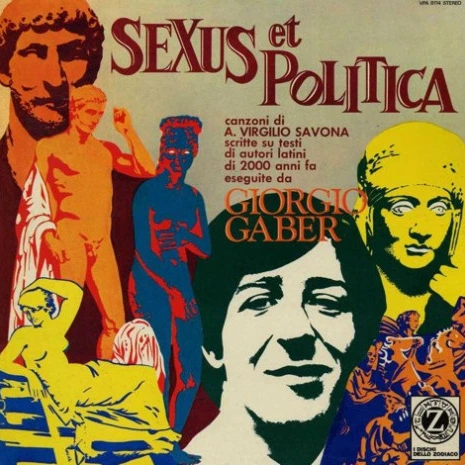
 View Artist