Song Meaning
Giorgia's "Non fa niente" isn't just a song; it's a masterclass in melancholic acceptance, a portrait of resignation painted with the delicate brushstrokes of Italian pop. The opening lines, a plaintive cry of "Why does nothing go as I wish?", immediately plunge us into a familiar state of existential frustration. It's the universal lament of feeling unseen, unheard, a ghost in your own life, standing right in front of the person you desire connection with, yet remaining invisible. The singer grapples with a sense of defeat, acknowledging the cynicism that creeps in with age – the understanding that "at my age, everyone knows you never win anything." This isn't teenage angst; it's the weary sigh of an adult confronting the limitations of life and love.
The pre-chorus offers a glimmer of hope, a declaration of independence: "I can live a life without you / I can stop asking myself why." It suggests a conscious decision to move on, to sever the ties that bind her to this unfulfilling dynamic. However, the chorus reveals the hollowness of that assertion. The repeated line "Ma non è lo stesso" ("But it's not the same") underscores the lingering pain, the undeniable truth that moving on is never as simple as it seems. The image of makeup dissolving in a tear is a powerful metaphor for vulnerability, the carefully constructed facade crumbling under the weight of unspoken emotions.
The true genius of "Non fa niente" lies in its title, which translates to "It doesn't matter" or "Never mind." This phrase, repeated throughout the song, is both a shield and a confession. On the surface, it's a way of minimizing the pain, of pretending that the absence of this person doesn't affect her. But underneath, it's a desperate attempt to convince herself that she can live with the void, that she can find a way to carry on despite the lingering "shadow" left behind. The song explores the complex psychological dance between acceptance and denial, the human tendency to downplay our emotions in order to cope with heartbreak. It's a poignant reminder that sometimes, the most profound pain is hidden behind the simplest of phrases.
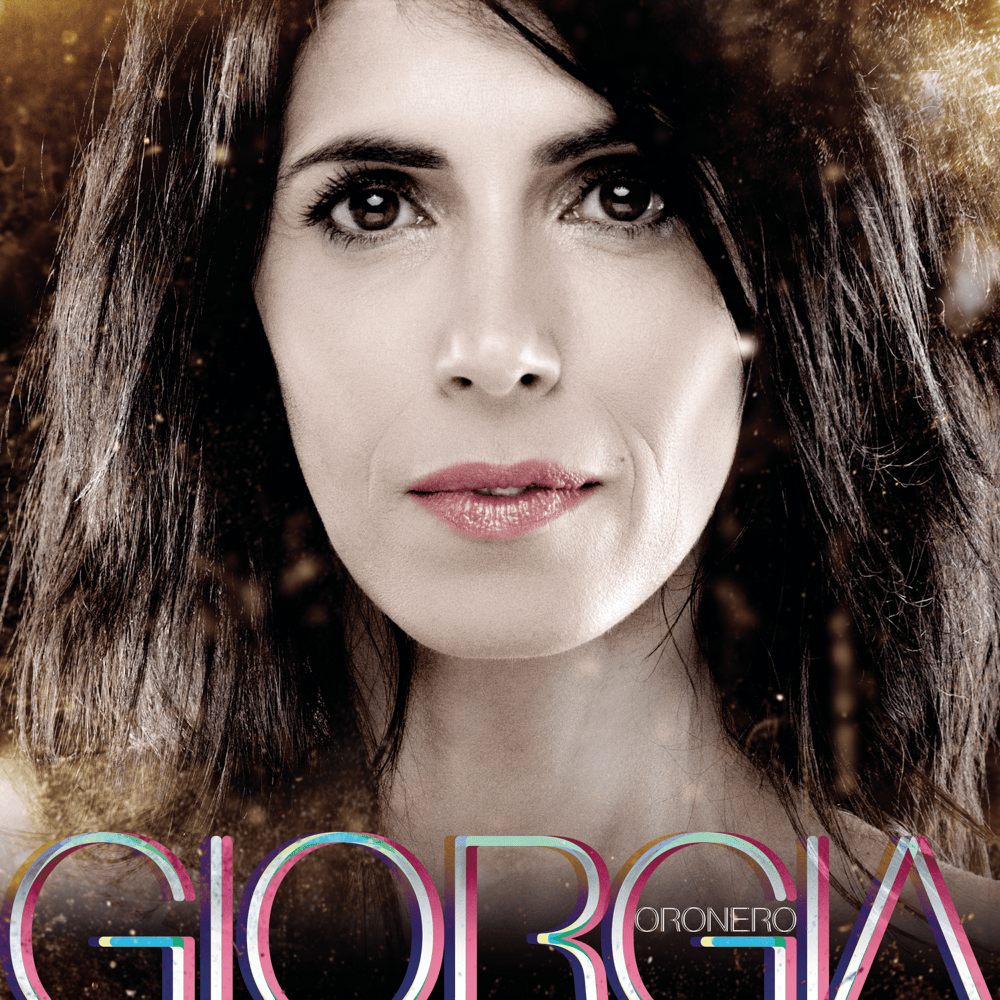
 View Artist