Song Meaning
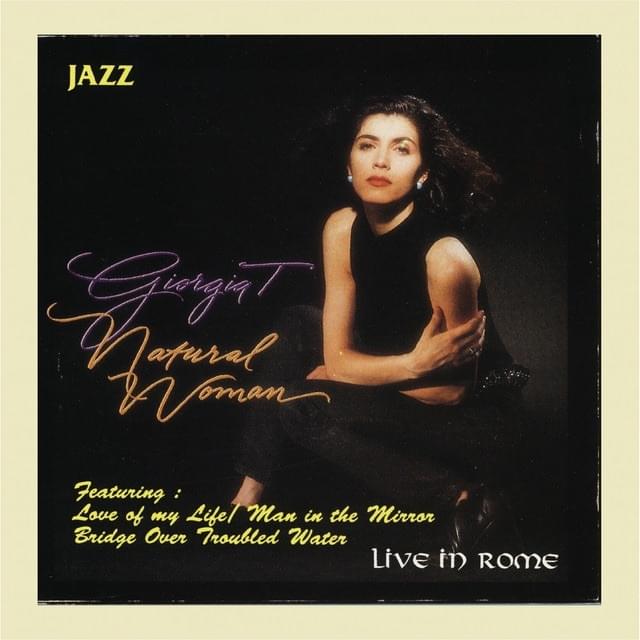
Giorgia's live rendition of "Love of My Life" is a raw, exposed nerve of heartbreak, a primal scream echoing the pain of abandonment. Stripped bare, the lyrics are a direct address, a desperate plea hurled at a departing lover. The simplicity of the language – "You've hurt me," "You've broken my heart" – amplifies the universality of the experience. It’s not about complex metaphors or veiled allusions; it's about the gut-wrenching feeling of being left behind, the sense that a vital part of oneself is being ripped away. The repetition of "Love of my life" underscores the magnitude of the loss, the feeling that this isn't just any relationship, but *the* relationship, the one that defined her. The rawness of the live performance heightens the emotional impact, making the listener feel like they're eavesdropping on a private moment of anguish.
The chorus, a fervent demand to "Bring it back," encapsulates the central conflict: the speaker's desperate attempt to reclaim what's been lost. It's a refusal to accept the finality of the breakup, a clinging to the hope that things can be salvaged. The line "You don't know what it means to me" hints at a deeper disconnect, a sense that the departing lover doesn't fully grasp the profound impact of their actions. Perhaps they underestimate the depth of the connection, or maybe they're simply incapable of understanding the speaker's emotional landscape. This misunderstanding adds another layer of pain to the already devastating situation.
However, the bridge introduces a surprising twist: a hint of forgiveness and enduring love. "When I grow older, I will be there at your side to remind you / How I still love you." This isn't just about immediate pain; it's about a love that transcends time and circumstance. It suggests a capacity for empathy and a willingness to offer comfort even after being hurt. This complexity elevates "Love of My Life" beyond a simple breakup song; it becomes a meditation on the enduring power of love, even in the face of heartbreak. The "grazie" at the end, a simple thank you, adds a touch of grace and acceptance, perhaps a recognition of the shared history and the lessons learned, even through pain. The song meaning, therefore, is not just about loss, but about the complicated, persistent nature of love itself.
 View Artist