Song Meaning
Giorgia's "Khoye Panchi," while presented with Italian lyrics, speaks a universal language of bittersweet longing and paradoxical beauty found within emotional turmoil. The song circles around a past April night, a moment of perceived purity with a significant other, a memory that's now filtered through the lens of present-day experience. The core tension lies in the line, "Tra queste lacrime amare" (Amidst these bitter tears), suggesting the relationship is causing pain, yet the narrator simultaneously declares, "Sei bellissimo" (You are beautiful). This isn't simple masochism; it's a complex acknowledgment of the intertwined nature of joy and sorrow, the way intense love can coexist with profound suffering. The "bitter tears" are not simply a sign of anguish but a medium through which the narrator perceives the beauty of the other person. The beauty isn't despite the pain, it's *because* of it.
The lyrics further hint at a loss of innocence ("E l'innocenza che abbiamo perduto"), a common theme in reflections on past relationships. The search for the "lune" (moons) could be interpreted as a search for something unattainable, a romantic ideal that inevitably fades with time and experience. The other person's presence is confusing ("Tu mi confondi"), disrupting the narrator's internal world and solidifying ideas they have. The confusion isn't necessarily negative; it's a catalyst for deeper understanding, a forced confrontation with the complexities of their emotions.
Ultimately, the song meaning of "Khoye Panchi" hinges on the acceptance of contradiction. It's about recognizing that love isn't always neat or easy; it can be messy, painful, and still breathtakingly beautiful. The lyrics aren't a straightforward lament or a simple declaration of love. They exist in the gray area between those extremes, capturing the nuanced reality of human connection. This emotional honesty, coupled with Giorgia's evocative delivery (inferred, as audio analysis is beyond the scope), likely resonates deeply with listeners who have experienced similar emotional complexities.
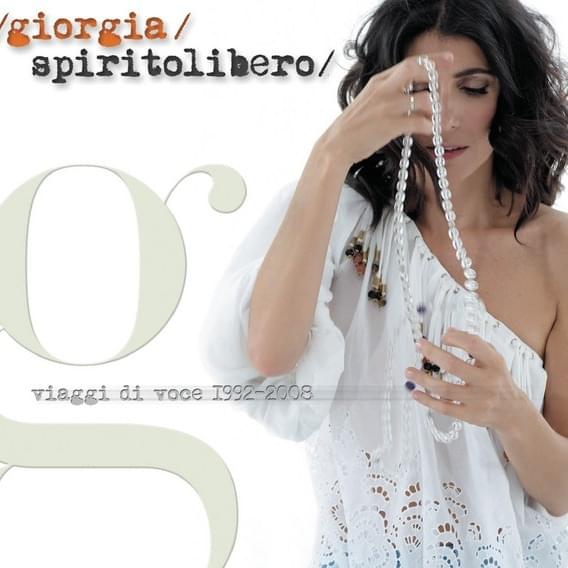
 View Artist