Song Meaning
The lyrics paint a stark picture of departure, tinged with both duty and deep sorrow. The opening lines immediately establish a sense of unavoidable obligation: "L'honneur appelle" (Honor calls). This call to arms, however, is met with profound grief from those left behind, as their "coeur" (heart) aches with the pain of separation. The dominant emotion is one of helpless suffering, a quiet despair where "L'amour, hélas / Gémit tout bas" (Love, alas / Moans softly).
The central tension arises from the conflict between patriotic duty and personal love. The "fiers soldats" (proud soldiers) are leaving their homeland, Tyrol, for combat, driven by a call to defend "son pays / Pour l'Empereur" (his country / For the Emperor). This noble cause, however, directly leads to the heartbreak of those who remain. The narrator laments that with the soldiers' departure, "La joie aussi / Reprend son vol" (Joy also / Takes flight), leaving behind a desolate landscape where even nature seems to mourn, with "Sans fleurs languit / Notre beau sol" (Without flowers wilts / Our beautiful soil).
The craft of the lyrics hinges on a poignant contrast between the grand ideals of honor and country and the intensely personal pain of loss. The soldiers are depicted as brave, fighting "sans peur" (without fear), ready to "Meurt sans regret" (Die without regret) for their cause. Yet, the lyrics repeatedly return to the suffering of the loved ones, the "tristes promises" (sad fiancées) whose "pleurs d'adieux" (farewell tears) fall. This juxtaposition highlights the devastating personal cost of war, even when framed by noble intentions. The repeated "Ah!" and "Hélas!" punctuate the verses, underscoring the pervasive sense of lament and helplessness.
Ultimately, these lyrics resonate because they capture the raw, immediate anguish of separation in the face of duty. The writing doesn't shy away from the deep sorrow, showing how grand pronouncements of honor and country are felt most acutely in the private pain of lovers and families. The plea for the soldiers to "Hâtez votre retour / Seul voeu de notre amour" (Hasten your return / Sole wish of our love) grounds the epic conflict in a simple, human longing for peace and reunion.
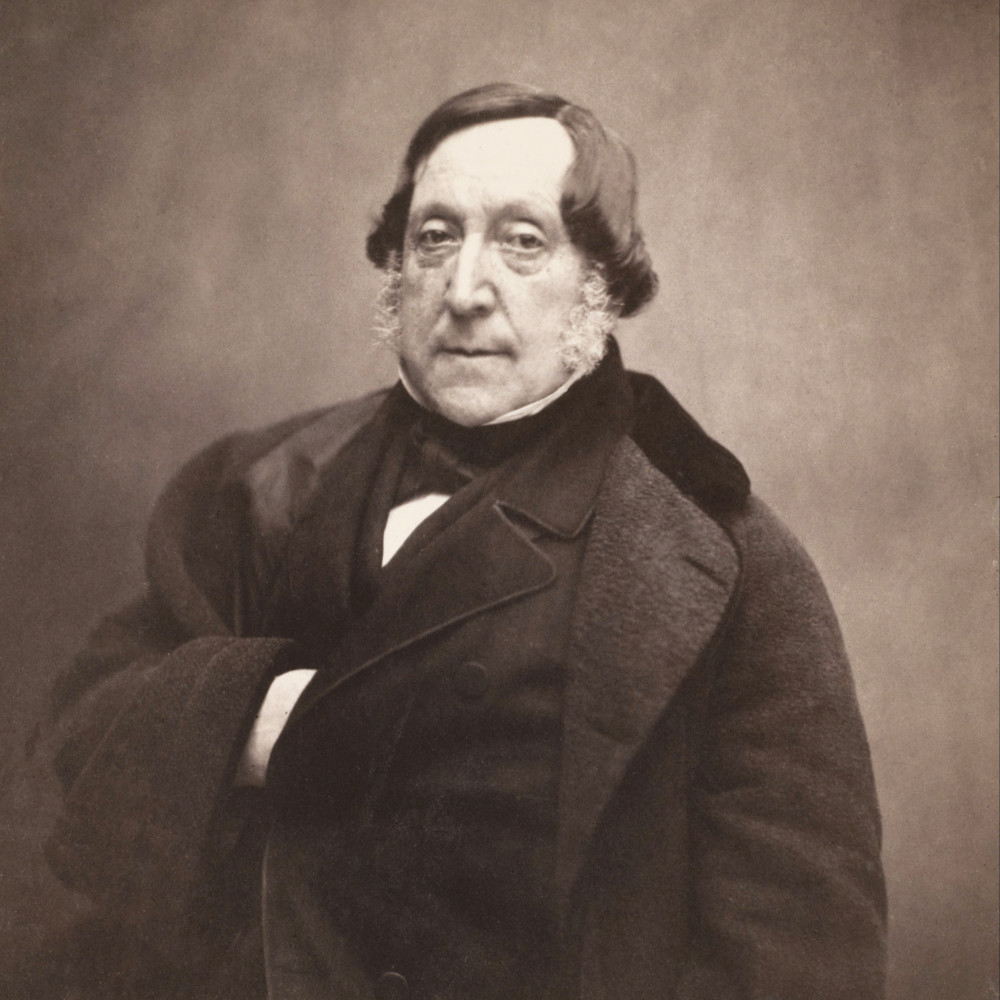
 View Artist