Song Meaning
The lyrics paint a picture of a dramatic farewell, a moment charged with a fierce, almost proud, sense of finality. The speaker addresses "Nice, mia Nice," directly, bidding a poignant adieu to a place or perhaps a person deeply cherished. The immediate question that follows, "Come vivrò ben mio / Così lontan da te?" establishes the core emotional conflict: the profound difficulty of existing without the object of affection. This isn't just sadness; it's a foreboding of perpetual suffering.
The central tension lies in the speaker's certainty of future pain versus the agonizing uncertainty of being remembered. "Io vivrò sempre in pene / Io non avrò più bene" declares an unwavering belief in a future devoid of joy and love. This stark pronouncement is immediately contrasted with a desperate, questioning plea directed at the departing presence: "E tu, chi sa se mai / Ti sovverrai di me!" This juxtaposition highlights the speaker's internal devastation and their desperate need for reciprocation, even if only in memory.
The most striking element is the cyclical nature of the lament, particularly the repeated phrase "E tu, chi sa se mai / Ti sovverrai di me!" This refrain amplifies the speaker's anxiety, making the uncertainty of remembrance the dominant, haunting force. The subsequent lines, "Sempre nel tuo cammino / M' avrai vicino;" offer a fleeting, almost defiant, assertion of continued presence, yet it’s immediately undercut by the return of the same uncertain question. This structural choice emphasizes the speaker's inability to escape their own doubt and fear of being forgotten.
Ultimately, the lyrics resonate because they capture the raw, visceral fear of abandonment and the desperate hope for a lasting connection, even as the speaker anticipates a life consumed by sorrow. The direct address and the stark, unadorned declarations of pain, coupled with the persistent, unanswered question, create a powerful sense of intimate heartbreak. It’s the feeling of a profound loss, amplified by the terrifying possibility that the speaker’s significance will vanish with their departure.
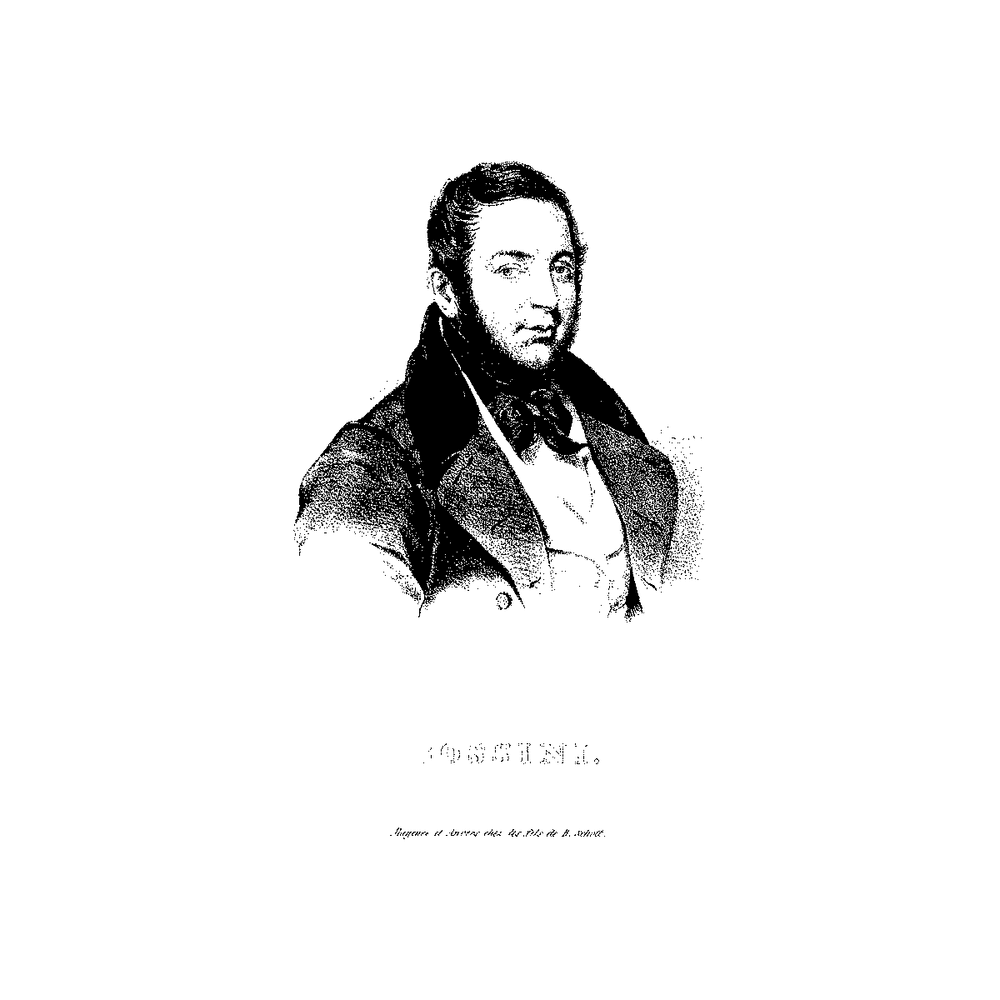
 View Artist