Song Meaning
The lyrics paint a vivid picture of a profound yearning for life, even amidst feelings of isolation. The narrator acknowledges the beauty of the night but feels a deep loneliness, a stark contrast to her intense desire to continue experiencing life's joys. She explicitly states, "I don't want to die," and lists the simple yet vital acts of "singing, laughing, dancing," highlighting a powerful will to live that feels almost primal.
The central tension arises from the fear of dying before truly experiencing love and life to its fullest. The repeated phrase "Morire / Prima di aver amato" (To die / Before having loved) underscores this anxiety. This fear fuels an almost desperate embrace of life, captured in the powerful paradox "Morire / Dalla voglia di vivere" (To die / From the desire to live). It's a life lived so intensely that it borders on the overwhelming, a passionate pursuit of existence.
The lyrics explore the very essence of what makes life worth living, questioning its value when constrained by prohibitions or the absence of traditional anchors like a homeland or faith. The plea, "Vita / Che non sia vietata" (Life / That is not forbidden) and the declaration "T'amo, vita mia" (I love you, my life) reveal a deep, personal connection to existence itself, independent of external validation. This personal devotion to life is further emphasized by the desire to unite separate worlds and "change history," suggesting a hope for a future where life and love can flourish freely.
Ultimately, the effectiveness of these lyrics lies in their raw, unvarnished expression of a fundamental human desire. The repetition of key phrases like "Vivere / Per amare" (To live / To love) and the recurring motif of dying from the sheer intensity of wanting to live create an urgent, almost breathless rhythm. This craft makes the narrator's passionate plea for a full, uninhibited life resonate deeply, transforming abstract desires into an immediate, palpable emotional experience.
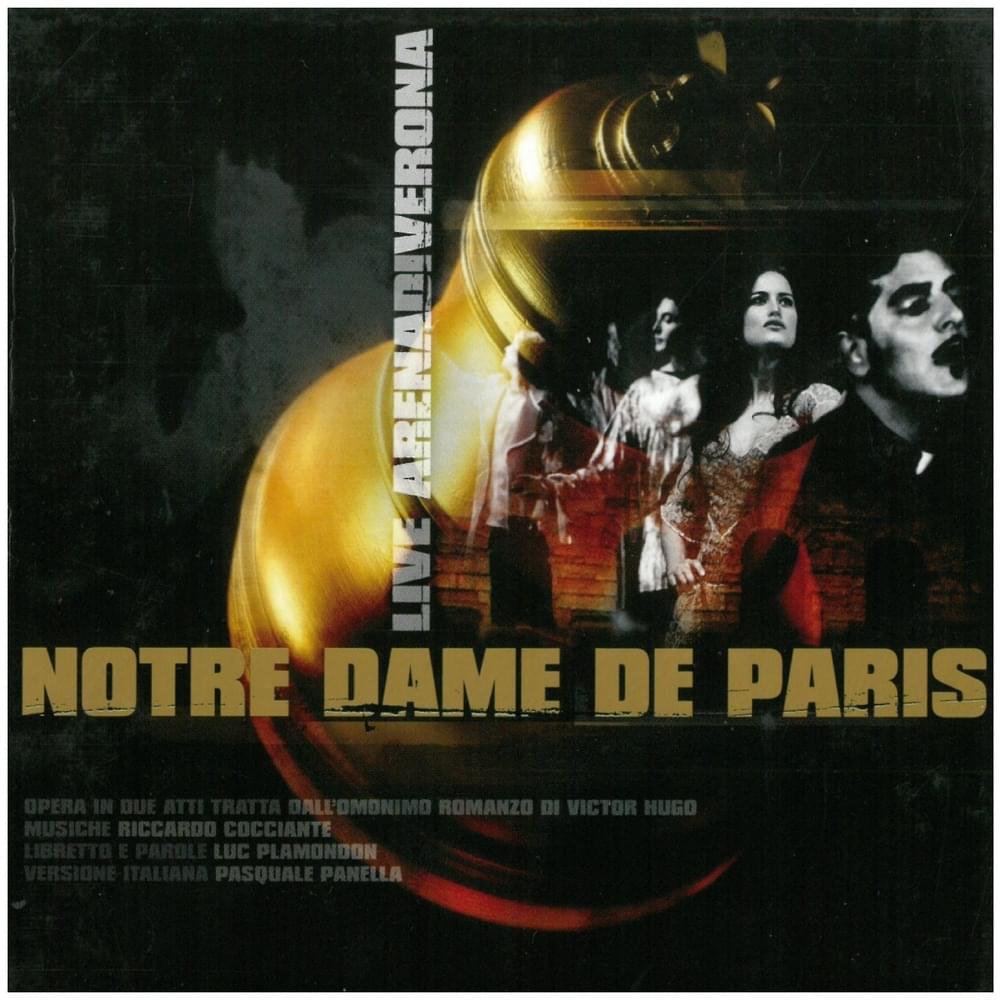
 View Artist