Song Meaning
This track paints a raw picture of a relationship teetering on the edge, caught in a cycle of verbal conflict. The narrator pleads for an end to the fighting, describing the nightly hurt as "almost obscene." The core tension lies in the desperate desire for connection clashing with the destructive nature of their communication, a paradox highlighted by the plea to "stop this madness."
The lyrics masterfully use contrasting imagery to convey this emotional whiplash. We see the intimacy of being "alone in the dark" juxtaposed with the act of "tear[ing] at our hearts." Later, the narrator begs for physical closeness, "bring your lips next to mine," immediately after lamenting the lack of affection, "seems like a year since we've kissed." This push and pull between wanting to mend and the persistent damage creates a palpable sense of urgency.
The central, recurring motif is the power of spoken words, encapsulated in the stark refrain, "hush my darling words can kill." This isn't just about arguments; it's about the profound, potentially relationship-ending impact of what's said, especially in moments of vulnerability. The narrator's plea for silence, "Love be silent love be still," underscores the destructive potential they perceive in speech, even within an intimate setting.
Ultimately, the song's effectiveness stems from its direct, almost desperate tone and its focus on the immediate, painful consequences of verbal abuse. The narrator's vulnerability in admitting their own "sadness" and seeking solace in shared sorrow, while simultaneously fearing the damage words can inflict, makes the plea for quiet intimacy deeply resonant. It captures that fragile moment when the fear of further hurt outweighs the need for expression.
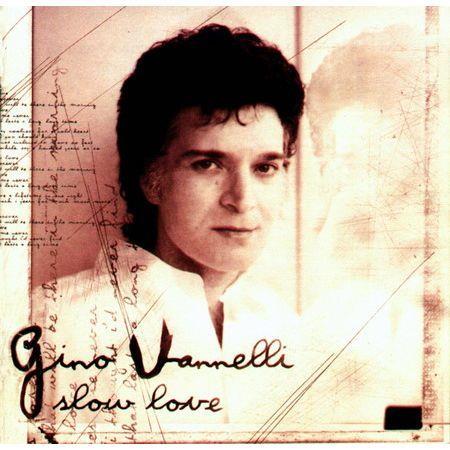
 View Artist