Song Meaning
The narrator paints a stark picture of a life weathered by disappointment and hardship, marked by "highways in the rain" and "ships that never came in." These past struggles, though significant, are presented as mere preludes to a present, overwhelming fear. The crucial shift occurs with the line, "But I never cried real tears until tonight," establishing a profound emotional threshold crossed only by the potential loss of this specific love. This love is framed as the singular anchor against a lifetime of enduring pain.
The central tension lies in the absolute dependency the narrator feels towards this relationship. The lyrics explicitly state that while other losses and hardships could be endured ("I can do without better things in life and still get by"), the loss of this love is presented as existential. The fear isn't just of sadness, but of an inability to continue living, culminating in the stark declaration, "I might just lay down & die." This elevates the relationship beyond mere companionship to a life-sustaining force.
The most striking craft element is the contrast between past resilience and present vulnerability. The narrator recalls a hardened self, someone who "staggered on the edge of hell" and didn't care "if the world went up in flames." This image of a near-invincible, albeit damaged, individual shatters when confronted with the possibility of losing this love. The realization, "For the first time in my life baby I'm scared," is a powerful testament to how this particular connection has fundamentally altered the narrator's emotional landscape, making them acutely aware of their own fragility.
This lyrical construction is effective because it grounds an extreme emotional statement in a relatable human experience: the fear of losing something that makes life worth living. By detailing a history of enduring hardship without breaking, the lyrics amplify the unique, devastating impact of this current potential loss. The simple, direct language of the chorus, especially the repeated phrase "If I should lose this love," hammers home the singular, all-consuming nature of this dread, making the narrator's ultimate plea, "I don't want to lose this love," feel like a desperate, fundamental need.
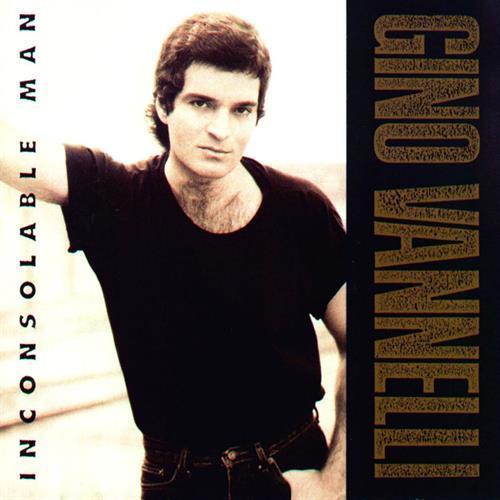
 View Artist