Song Meaning
The lyrics paint a surreal dreamscape, a world where nature itself bends and twists in impossible ways. We see singing fir trees and weeping birds, dancing suns and sliding moons, all set against a backdrop of forgotten blue castles and oceans wounded by the shore. This isn't just random imagery; it's a deliberate construction, a tapestry woven by the titular poet. The narrator is an observer, witnessing these fantastical scenes, which are presented as a light veil reflecting hidden truths. It seems the poet's art is to parent reality, to nurture and shape it into something that reveals what lies beneath the surface, all for their own amusement.
The central tension arises from the contrast between this fantastical, almost chaotic imagery and the grounding presence of the poet. The narrator directly addresses "le poète," attributing the creation of these scenes to them. The repeated phrase "C'est toi le poète, qui a su le tisser" (It's you the poet, who knew how to weave it) emphasizes this authorship. The poet is the architect of this altered reality, capable of transforming raging storms into gentle winds and wounded oceans into delicate lace offered at the feet of warm sands. This power over perception is presented as a source of both wonder and perhaps a touch of playful manipulation.
The most striking aspect of the craft is the consistent inversion of natural phenomena. Elements we expect to be static or predictable are given agency and emotion: trees sing, birds cry, oceans are wounded, storms become wise. This technique creates a sense of profound otherness, a world operating on its own magical logic. The shift from "J'ai vu" (I saw) to "Je vois" (I see) when the poet's eyes invite the narrator suggests a transition from passive observation to active participation in this dreamlike state, directly linked to the "grand amour" (great love) given.
Ultimately, the lyrics resonate because they capture the feeling of being immersed in someone else's extraordinary vision, especially when that vision is tied to love. The poet's ability to reframe reality, to make the impossible tangible and beautiful, mirrors the way love can alter our own perception of the world. The narrator is captivated, not just by the sights, but by the power of the poet to create such a world and to share it, transforming the observer's reality through a profound emotional connection.
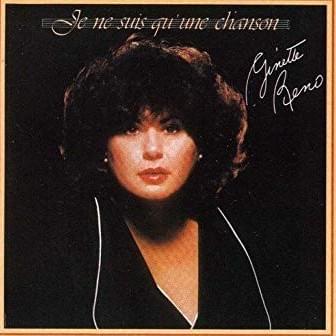
 View Artist