Song Meaning
The narrator is directly addressing someone they are leaving, urging them to let go. The opening lines immediately establish a painful truth: the narrator loves someone else now, and there's no going back. This isn't a sudden whim; it's presented as love arriving "si bêtement" – foolishly, perhaps unexpectedly, but definitively. The repeated phrase "Ne t'accroches pas" (Don't hold on) acts as a desperate plea, a shield against the other person's pain and the narrator's own guilt.
The core tension lies in the narrator's conflicting emotions: a clear decision to move on, coupled with an awareness of the suffering they are inflicting. They acknowledge the hurt, even the possibility of being cursed, yet the refrain "Oublie-moi" (Forget me) underscores the finality of their choice. The lyrics suggest a difficult but necessary severance, aiming to prevent further, prolonged agony for the person being left behind.
The most striking aspect is the stark, almost brutal repetition of "Oublie-moi." This isn't a gentle farewell; it's an insistent command, hammered home to erase any lingering hope. The narrator attempts to soften the blow by pointing outwards, suggesting that the other person's life isn't over and that new love might be found elsewhere. This offers a sliver of hope, but it's framed within the absolute demand to be forgotten.
Ultimately, the effectiveness of these lyrics comes from their unflinching directness. There's no ambiguity about the narrator's intentions, only a raw acknowledgment of the pain caused. The repeated, almost pleading command to forget, contrasted with the acknowledgment of the other's suffering, creates a powerful emotional resonance. It captures the agonizing moment of a relationship's end, where one person's new beginning is another's devastating conclusion.
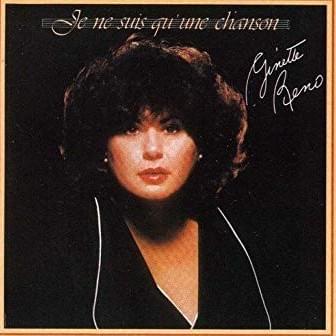
 View Artist