Song Meaning
The lyrics "Je m'en vais" immediately plunge us into a scene of profound personal isolation and past struggle. The speaker declares, "Seule je suis seule," emphasizing a solitary burden no one else could comprehend. This opening sets a somber tone, quickly pivoting to a powerful declaration of departure and newfound freedom.
The central emotional tension here stems from a history of unreciprocated effort and forced silence. The narrator recounts having "pleuré, j'ai souffert" and being "forcé à me taire," highlighting a relationship built on submission rather than mutual understanding. Their past attempts to please, "plié, j'ai cédé pour te plaire," were ultimately "En vain," leading to a breaking point.
A striking element of craft is the stark linguistic contrast between "En vain" (in vain) describing past efforts and "Enfin" (finally) marking the present liberation. This shift is amplified by the visceral image, "J'ai envie de mordre à la vie," which vividly portrays a fierce, almost ravenous desire to embrace existence after years of suppression. The repeated phrase "tu n'as rien compris" underscores the fundamental disconnect driving this departure.
The repeated declaration "Je m'en vais" acts as a powerful, almost defiant mantra of self-liberation. The lyrics effectively convey a journey from fear to empowerment, as the speaker asserts, "je n'ai plus peur de ce que sera demain." By claiming the fundamental right "de rire, de chanter," the narrator reclaims their voice and agency, making the listener feel the profound weight lifted and the exhilarating promise of a life finally lived on their own terms. The final echo of "En vain" serves as a definitive dismissal of the past's hold.
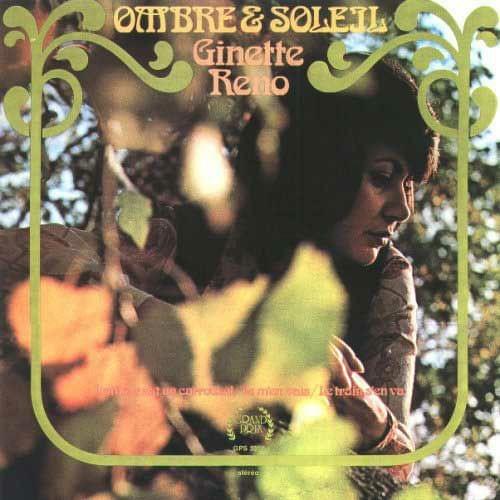
 View Artist